Contact us
 +34 722 619 284


 Español
 Français
 Deutsch
 Italiano
 Português PT
 Română
 Polski
 Nynorsk
 Українська
 Nederlands
 Svenska
 Čeština
 български език
 ελληνικά
 Magyar
 Eesti keel
 Slovenščina
 Latviešu valoda
 Català
 Galego
 Euskera
 Русский
 Türkçe
Caterpillar Insecticides for Cannabis Plants
Are caterpillars eating your plants? Don't let them ruin your hard work. Here you will find the most effective **insecticides for caterpillars**, from biological options like Bacillus to powerful shock treatments. Save your crop now!

 Play Text to Audio

Why are caterpillars the grower's worst nightmare?
If you've found holes in your leaves or, worse, small black droppings on your flowers, you're facing one of the most voracious enemies of the grow room. Caterpillars don't just eat the leaves; their real danger lies in their ability to tunnel into the buds. Once inside, their excrement causes botrytis (bud rot), which can destroy your entire harvest in a matter of days. Acting fast is not an option; it's a necessity if you want to save your feminized seeds from disaster.
Biological vs. Contact Insecticides: Choose your weapon
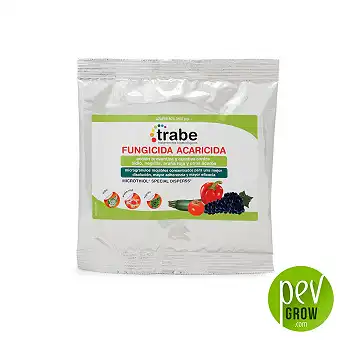
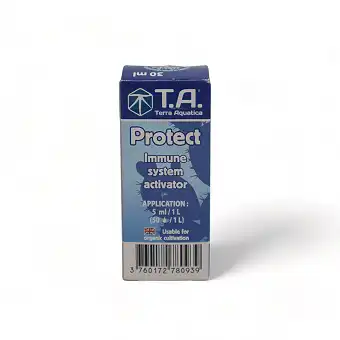
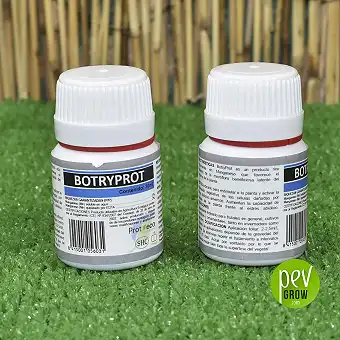
When fighting these intruders, you have two main paths. On one side, you have biological insecticides (like those based on Bacillus Thuringiensis), which are specific to caterpillars and safe for other beneficial fauna. They work by destroying the insect's digestive system when ingested. On the other side, you have contact insecticides or broad-spectrum options, ideal when the pest is advanced or combined with other threats. Brands like Trabe offer excellent organic alternatives that respect the final flavor of your flowers while being ruthless with the bugs.
How to apply treatment effectively
Success doesn't just depend on the product, but on how you use it. For caterpillars, it is crucial to spray the entire plant, especially the undersides of the leaves where they usually hide during the day. If you are in the flowering stage, be extremely careful with humidity to avoid fungi. Also, pests rarely come alone; if you inspect your crop and see tiny moving dots or webs, you might also need to check our section on Insecticides Red Spiders to ensure a complete cleanup.
Prevention: The key to a healthy crop
Although we have products to eliminate them, the best attack is a good defense. Using preventatives like Neem oil or installing anti-insect nets can save you many headaches. In outdoor crops, where butterflies roam freely, prevention is mandatory. Keeping your plants strong and stress-free will also make them more resistant to any attack.
Frequently Asked Questions about Caterpillar Insecticides
When should I start applying caterpillar insecticide?
Ideally, you should apply preventatives from the beginning of the vegetative stage, especially outdoors. If you already have the pest, apply the specific insecticide immediately upon detecting the first symptoms (bites or droppings).
Can I use these products during flowering?
Yes, but you must choose products with a short safety period (time between application and harvest) and biological origin to avoid leaving residues or altering the flavor of the buds. Always stop applying a few weeks before harvest.
Do these insecticides affect my pets?
Most specific biological insecticides for caterpillars (like Bacillus) are harmless to humans and pets. However, chemical or broad-spectrum insecticides should be used with caution and always following the manufacturer's instructions.
Among all of you who comment or send us your questions there will be a bimonthly draw for a 50 euros voucher to buy in Pevgrow. What are you waiting for? Write now and participate!