Contact us
 +34 722 619 284


 Español
 Français
 Deutsch
 Italiano
 Português PT
 Română
 Polski
 Nynorsk
 Українська
 Nederlands
 Svenska
 Čeština
 български език
 ελληνικά
 Magyar
 Eesti keel
 Slovenščina
 Latviešu valoda
 Català
 Galego
 Euskera
 Русский
 Türkçe
Copper Fungicides for Cannabis
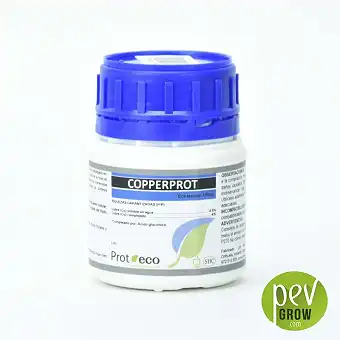
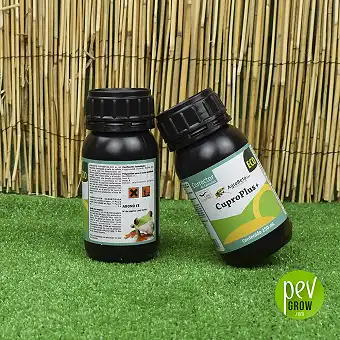
Are fungi threatening your harvest? Don't panic. **Copper fungicides** are the classic, heavy-duty shield you need to stop mildew, rust, and other diseases in their tracks. Here you will find the most effective copper-based solutions to protect your plants and correct deficiencies.
 Play Text to Audio

The Truth About Copper: Is It Too Harsh for Your Grow?
You've probably heard that copper is the "nuclear option" for fungi—effective, but dangerous if you mess up. Many growers hesitate to use it because they think it might be toxic or leave heavy residues. The reality? Copper is an essential micronutrient that plants actually need in small amounts. When used correctly, it’s one of the most reliable tools in organic agriculture to fight off the dreaded mildew, botrytis, and rust.
It’s not about nuking your garden; it’s about creating a hostile environment for spores. While softer options like diatomaceous earth work great for insects, fungi require a different kind of barrier. Copper ions disrupt the fungal cell walls, stopping the infection before it eats your profits. It’s the bodyguard your plants are begging for when humidity gets out of control.
Systemic vs. Contact: Not All Copper Is the Same
Here’s a common mix-up: thinking all copper products work the same way. You generally have two players in this game: Copper Sulfate and Copper Gluconate (or complexed copper). The classic blue powder (sulfate) is usually a contact fungicide—it stays on the leaf surface and kills spores on arrival. It’s great, but if it rains or you spray water, it can wash off.
On the other hand, systemic or complexed copper (like some modern formulations) penetrates the plant's tissue. This means it circulates inside, offering protection from within and correcting copper deficiencies at the same time. If you are dealing with persistent internal issues or want a longer-lasting shield, understanding this difference is key. Don't just grab the first bottle you see; check if you need a surface shield or an internal immune booster.
Will It Burn My Plants? How to Avoid Disaster
The fear of phytotoxicity (burning your plants) is real, but it usually comes from user error, not the product itself. If you apply copper under a blazing sun or mix it with incompatible products, you’re asking for trouble. But if you follow the rules, it’s perfectly safe.
To avoid drama, never apply copper when the lights are on full blast or the sun is high. Do it at dusk or just before the lights go out. Also, be careful with the dosage—more is not better here. If you respect the manufacturer's chart, you’ll see your plants get greener and stronger, not burnt. It’s also wise to check other pests and fungi treatments to ensure you aren't mixing incompatible chemicals.
Choosing the Right Copper Shield for Your Crop
So, which one should you pick? If you are looking for a powerful preventative measure or need to correct a deficiency quickly, look for products that offer high bioavailability. Brands like Trabe products often provide reliable organic-certified options that fit perfectly into a conscious grower's schedule.
Check the concentration and the type of copper. For severe outbreaks where you need to stop the spread immediately, a strong contact fungicide is your best bet. For maintenance and strengthening the plant's natural defenses against future attacks, go for a gluconate or complexed formula. Remember, a healthy plant with strong cell walls is much harder for fungi to penetrate.
Frequently Asked Questions About Copper Fungicides
Can I use copper fungicides during flowering?
It is generally recommended to stop using copper once the buds start to form significantly. Copper can leave a residue that, while not necessarily toxic in minute amounts, can affect the flavor and quality of the final product. Use it mainly during the vegetative stage and pre-flowering.
Is copper fungicide organic?
Yes, most copper fungicides are approved for organic farming. However, because copper is a heavy metal, it accumulates in the soil if used excessively over years. For indoor growing or pots, this is rarely an issue, but always use it responsibly.
Can I mix copper with other fertilizers?
Be very careful. Copper reacts badly with certain amino acids and sulfur-based products. Always read the label for compatibility. If you are unsure, apply the copper separately to avoid a chemical reaction that could damage your foliage.
How long does it take to work?
Contact copper works immediately upon touching the fungal spore. Systemic copper takes a bit longer to distribute through the plant but offers longer-lasting protection. You should see the progression of the disease stop within 24 to 48 hours of a proper application.
Among all of you who comment or send us your questions there will be a bimonthly draw for a 50 euros voucher to buy in Pevgrow. What are you waiting for? Write now and participate!