Contact us
 +34 722 619 284


 Español
 Français
 Deutsch
 Italiano
 Português PT
 Română
 Polski
 Nynorsk
 Українська
 Nederlands
 Svenska
 Čeština
 български език
 ελληνικά
 Magyar
 Eesti keel
 Slovenščina
 Latviešu valoda
 Català
 Galego
 Euskera
 Русский
 Türkçe
Small Air Compressors for Irrigation
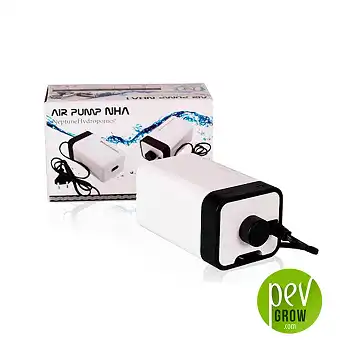
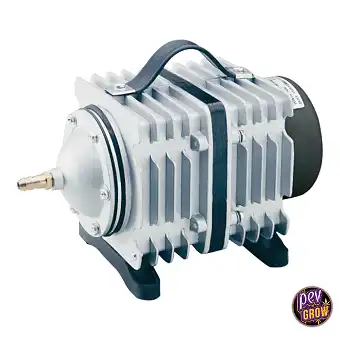
Give your crop the breath of life it needs. Our **small air compressors** are designed to maximize dissolved oxygen in your irrigation tank or hydroponic system, ensuring explosive root growth and preventing dangerous fungi. Powerful, durable, and efficient.
 Play Text to Audio

Oxygen: The Hidden Engine of Your Harvest
You’ve got the best lights, the perfect temperature, and top-tier nutrients, but are your plants still looking a bit sluggish? The answer might be in the water. Roots don’t just drink; they breathe. In hydroponic systems or large irrigation tanks, stagnant water loses oxygen rapidly, creating a breeding ground for pathogens like Pythium (root rot) and suffocating your crop.
This is where a high-quality air compressor becomes your best ally. By injecting a constant stream of bubbles into your reservoir, you not only keep the water moving but also drastically increase the levels of dissolved oxygen. The result? Roots that look like white, healthy pasta, absorbing cannabis fertilizers with voracious efficiency. It’s a small investment that makes a massive difference in the final weight of your buds.
Flow Rate and Pressure: What Do the Numbers Mean?
When you look at our catalog, you’ll see numbers like 20L/M, 60L/M, or even 300L/M. Don’t let the tech specs overwhelm you; it’s simpler than it looks. The L/M (Liters per Minute) tells you the volume of air the pump can push. Think of it as the lung capacity of the machine.
- Low Flow (20-40 L/M): Perfect for individual DWC buckets or small nutrient tanks (up to 100-200 liters).
- High Flow (60-300 L/M): Designed for large reservoirs, commercial setups, or running multiple airstones simultaneously in different pots.
Pressure is also key. Unlike a cheap aquarium pump, these compressors are built to push air deep underwater without losing power. This ensures that even at the bottom of a deep barrel, your airstones are fizzing away happily.
How to Choose the Right Model for Your Setup
Picking the right size is crucial. If you go too small, you won’t get enough oxygen saturation. Go too big, and your water might look like a boiling cauldron (which can actually damage delicate root hairs). A good rule of thumb for hydroponics is to aim for 1 liter of air per minute for every 4 liters of nutrient solution if you want high performance, though many growers get great results with a 1:10 ratio for simple reservoir agitation.
Also, consider the noise. While modern compressors are built to be quieter, moving a lot of air creates vibration. If your grow room is next to your bedroom, you might want to look at soundproofing options or place the unit on a rubber mat, similar to how you would manage noise with an air extraction system.
Installation Tips for Maximum Durability
These machines are workhorses, but they need a little love. Always place your air compressor above the water level of your tank. If the power cuts out and the pump is on the floor, water can siphon back down the tube and ruin the motor. If you must place it low, always use a check valve.
Remember that while roots love oxygen, the leaves need carbon dioxide. It’s a balancing act: oxygenate the roots with these compressors, and manage the canopy environment with CO2 regulators if you are running a sealed room. This dual approach pushes plant metabolism to the limit, giving you those rock-hard flowers we all chase.
Frequently Asked Questions About Air Compressors
How long should I run the air compressor?
24/7. Never turn it off while plants are in the system. Roots need constant oxygen, and stopping the pump can lead to anaerobic bacteria growth in just a few hours.
Does the compressor heat up the water?
The air coming from the compressor can be slightly warm due to the motor’s operation. In winter, this is great. In summer, just keep an eye on your reservoir temperature; usually, the effect is minimal compared to the benefits of oxygenation.
Can I use one compressor for multiple buckets?
Absolutely. That’s the beauty of models with higher L/M ratings. You can use a manifold (splitter) to run airlines to 4, 6, or even 10 different buckets from a single powerful unit.
Do I need an airstone?
Yes, the compressor pushes the air, but the airstone breaks it into thousands of tiny bubbles. Smaller bubbles mean more surface area and better oxygen absorption into the water.
Among all of you who comment or send us your questions there will be a bimonthly draw for a 50 euros voucher to buy in Pevgrow. What are you waiting for? Write now and participate!