Contact us
 +34 722 619 284


 Español
 Français
 Deutsch
 Italiano
 Português PT
 Română
 Polski
 Nynorsk
 Українська
 Nederlands
 Svenska
 Čeština
 български език
 ελληνικά
 Magyar
 Eesti keel
 Slovenščina
 Latviešu valoda
 Català
 Galego
 Euskera
 Русский
Calibration and Maintenance for Measuring Instruments
Don't let a faulty reading ruin your crop. Here you will find everything you need to keep your measuring instruments deadly accurate: calibration fluids, cleaning solutions, and storage liquids. Maintain your gear like a pro and ensure your plants get exactly what they need.







 Play Text to Audio

Achieve Surgical Precision in Your Grow
You know the drill: you mix your nutrients, check the pH, and feed your plants. But what if your pen is lying to you? A meter that hasn't been calibrated is like a compass pointing south—it will lead you straight to disaster. Calibration is not just an option; it's a necessity if you want to hit those heavy yields. By using high-quality calibration solutions, you ensure that every drop of nutrient solution falls exactly within the optimal range for absorption.
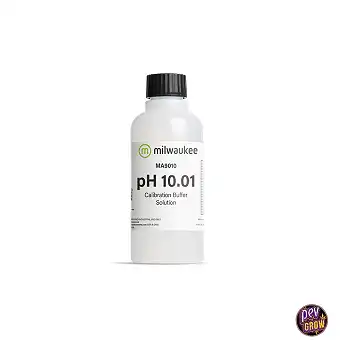
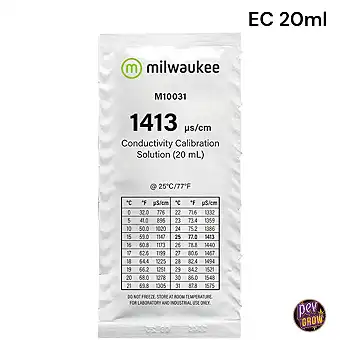
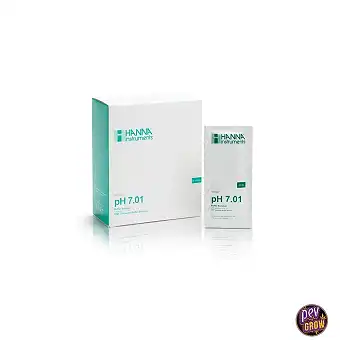
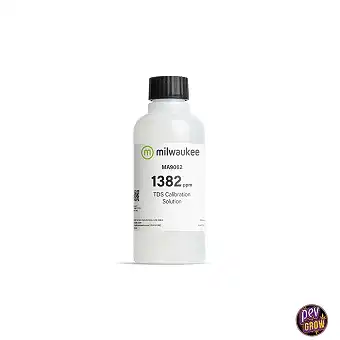
Whether you are rocking top-tier gear like Milwaukee measuring instruments or a simple digital pen, the sensor degrades over time. Regular calibration with the correct buffer fluids (like pH 4.01, pH 7.01, or EC 1.413) guarantees that your readings are spot on. Don't risk a nutrient lockout just because you skipped a simple step. Keep your numbers tight, and your buds will thank you.
Extend the Life of Your Gear and Save Money
Let's be real, good measuring equipment is an investment. The last thing you want is to buy a new meter every few months because the probe dried out or got clogged with salts. This is where maintenance solutions come into play. Using a proper cleaning solution removes organic residue and mineral buildup that can skew your readings and slow down response times.
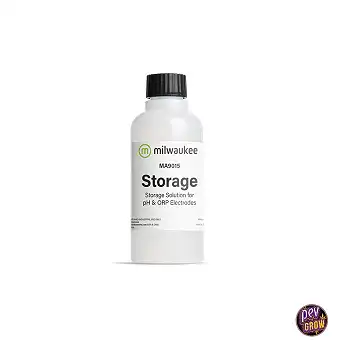
And it's not just about cleaning. Storing your pH electrodes in a specific storage liquid is crucial to keep the glass membrane hydrated and responsive. If you treat your tools with respect, they will last for years. If you are also monitoring your environment with thermohygrometers, you know that precision in every parameter is the secret sauce of the master grower. Protect your investment and stop throwing money away on replacements.
Tools for Every Measurement
Beyond fluids, sometimes you need physical precision. Whether you are checking the thickness of a stem to gauge plant health or measuring parts for a DIY irrigation setup, having a reliable digital caliper in your toolkit is a game-changer. It’s about having total control over every variable in your grow room.
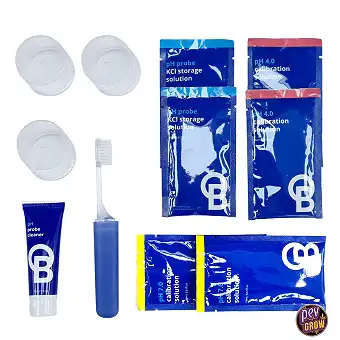
Remember, successful growing is about consistency. Just like you trust Adwa meters for their reliability, you should trust only the best fluids to keep them running. From calibration sachets to bottles of cleaning fluid, we've got the supplies to keep your operation professional and precise. Don't guess—measure, calibrate, and succeed.
Frequently Asked Questions About Calibration
How often should I calibrate my pH meter?
Ideally, you should calibrate it at least once a month, or whenever you suspect the readings are drifting. If you use it daily or measure very aggressive nutrient solutions, calibrating every two weeks is a smart move to ensure maximum accuracy.
Can I use water to store my pH probe?
No, never store a pH probe in distilled or tap water, as it can damage the sensor's electrolyte balance. Always use a specific KCl storage solution (maintenance solution) to keep the probe healthy and responsive.
What is the difference between cleaning and calibration solution?
Calibration solution (buffer) is used to set the meter to a known value (like pH 7.0) so it reads accurately. Cleaning solution is used to remove dirt, salts, and organic residue from the sensor to prevent errors and extend its lifespan.
Do EC meters need calibration too?
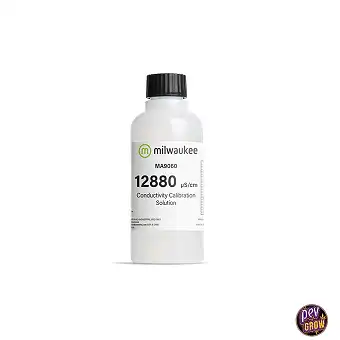
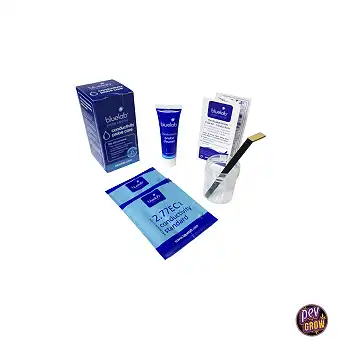
Yes, absolutely. While they tend to hold calibration longer than pH meters, Electro-conductivity (EC) meters also drift. Using a standard conductivity solution (like 1413 µS/cm) ensures you aren't overfeeding or underfeeding your plants.
Among all of you who comment or send us your questions there will be a bimonthly draw for a 50 euros voucher to buy in Pevgrow. What are you waiting for? Write now and participate!