Contact us
 +34 722 619 284


 Español
 Français
 Deutsch
 Italiano
 Português PT
 Română
 Polski
 Nynorsk
 Українська
 Nederlands
 Svenska
 Čeština
 български език
 ελληνικά
 Magyar
 Eesti keel
 Slovenščina
 Latviešu valoda
 Català
 Galego
 Euskera
 Русский
Measuring Instruments for Grow Rooms: pH, EC, Temperature & Humidity
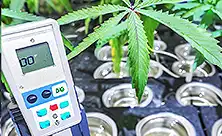
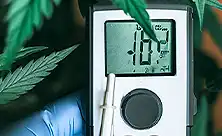


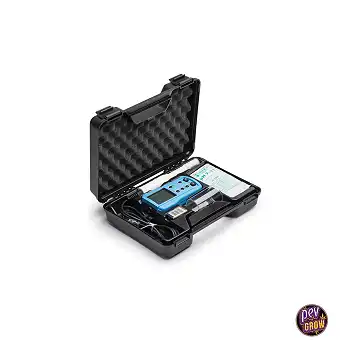
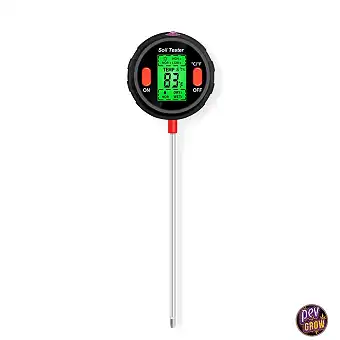
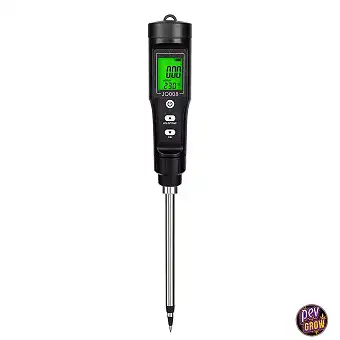
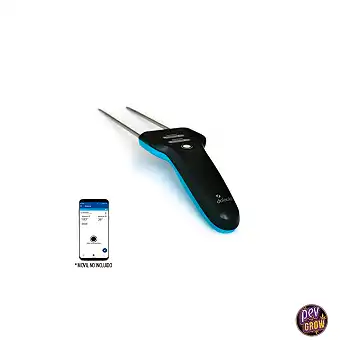
Precision is the difference between a decent crop and a legendary harvest. Here you will find everything you need to control the vital parameters of your grow room: from pH and EC meters to thermohygrometers for climate control. We work with top brands like Milwaukee and Adwa to ensure your plants eat and breathe exactly what they need. Don't guess—measure and grow better.




 Play Text to Audio

The first things I'd ask you before you buy a meter
Look, we've all been there. You spend a fortune on nutrients and lights, but the plants just don't pop. Usually, the problem is invisible. Before you start throwing random products into your cart, let's figure out exactly what you need to take your grow to the next level.
First off, what's your growing style? If you are growing in soil, you have a bit more buffer, but if you are into hydroponics or coco, precision isn't a luxury—it's survival. Second, how much time do you want to spend measuring? Do you want a continuous monitor that tells you the stats 24/7, or are you okay with dipping a pen every time you water? And finally, accuracy vs. budget. Are you looking for a quick check or laboratory-grade precision? Answering this will save you money and headaches down the line.
Based on your setup, here is the gear that fits you
Not every grower needs a wall-mounted monitor, but every grower needs to know what's going on in their garden. Here is how our category is broken down so you can find your perfect match.
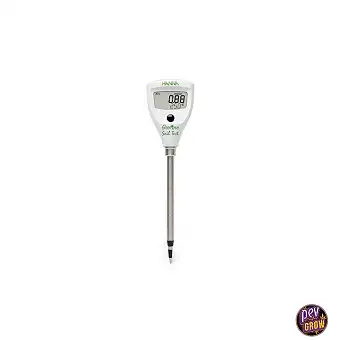
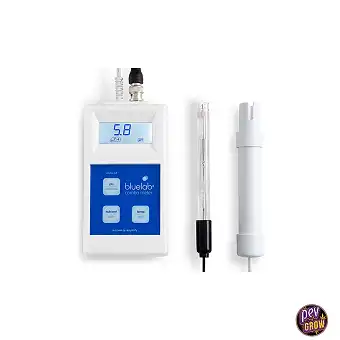
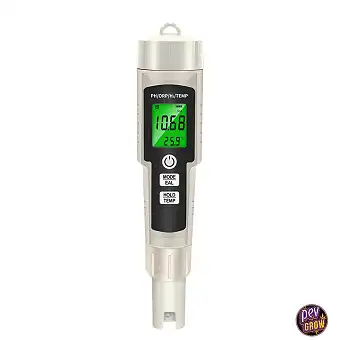
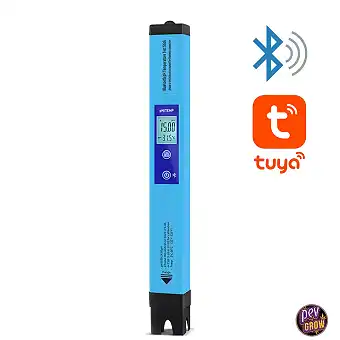
PH Meters
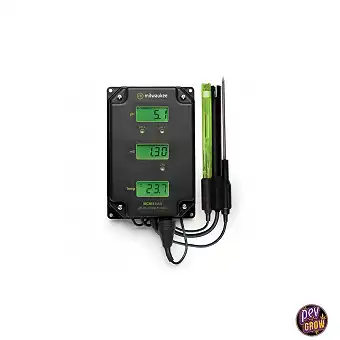
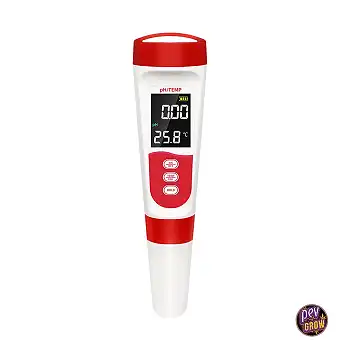
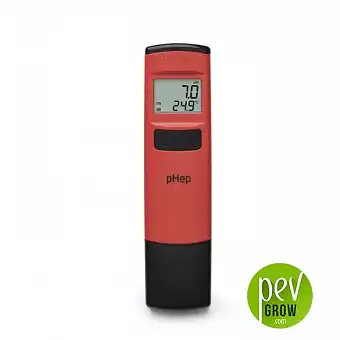
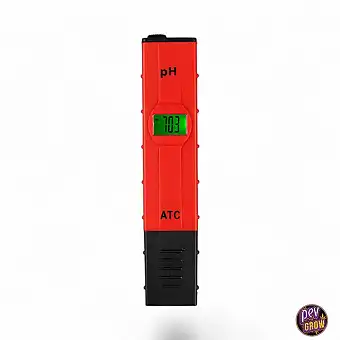
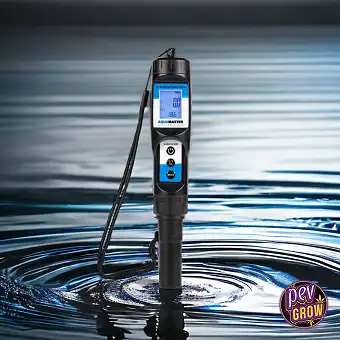
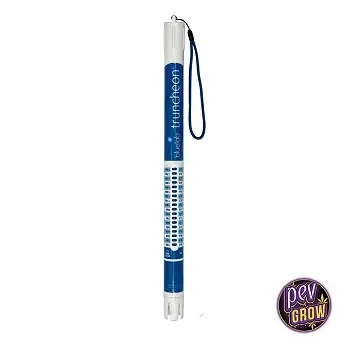
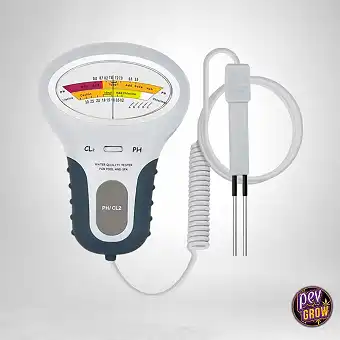
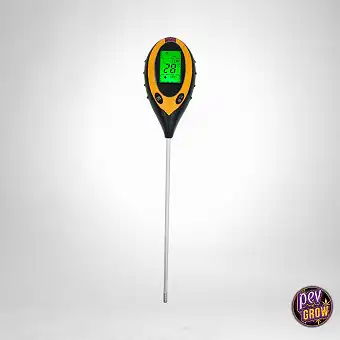
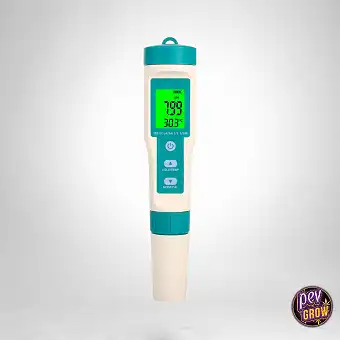
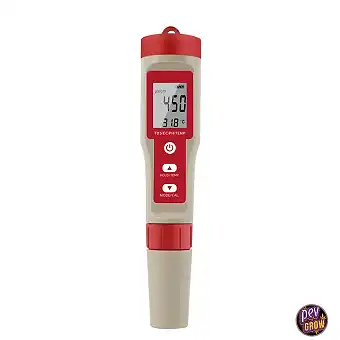
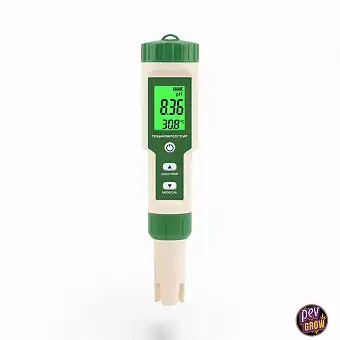
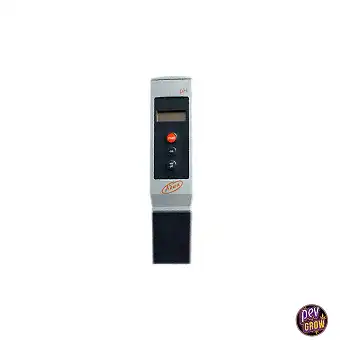
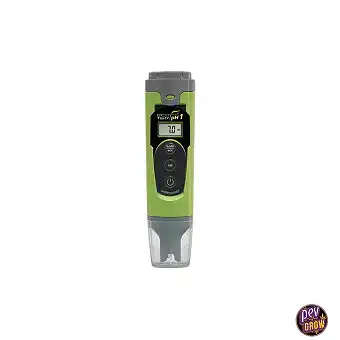
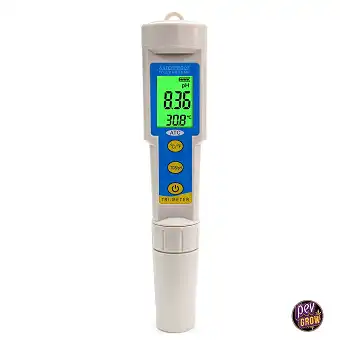
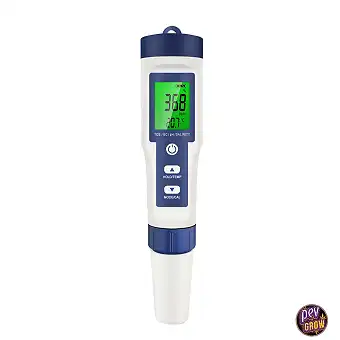
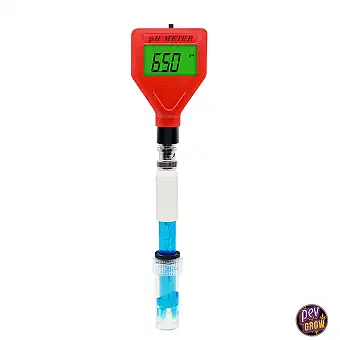
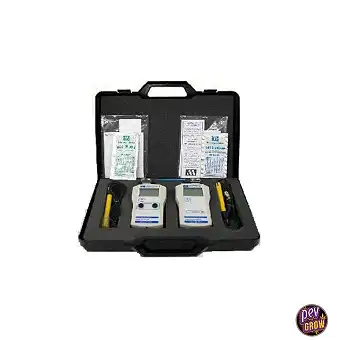
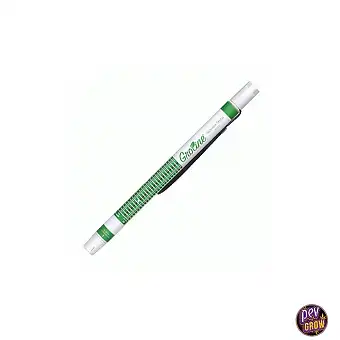
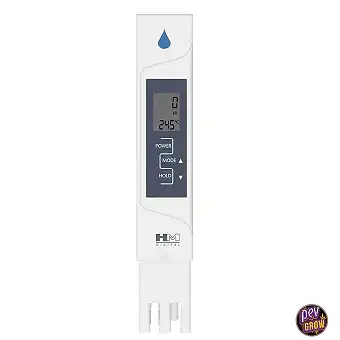
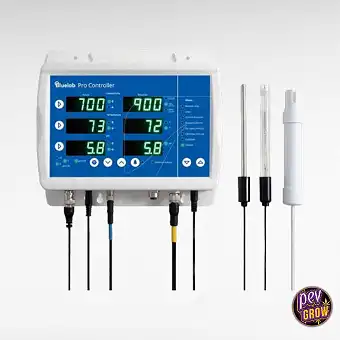
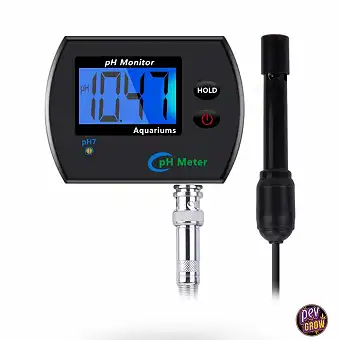
Think of pH as the gatekeeper of your nutrients. If the pH is off, the door is locked, and your plants starve even if the soil is full of food. Our PH meters range from simple digital pens for quick checks to advanced continuous monitors. Essential for ensuring your girls can actually absorb what you feed them.
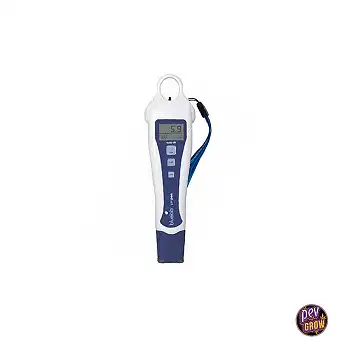
EC Meters
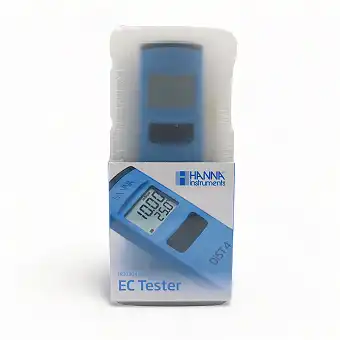
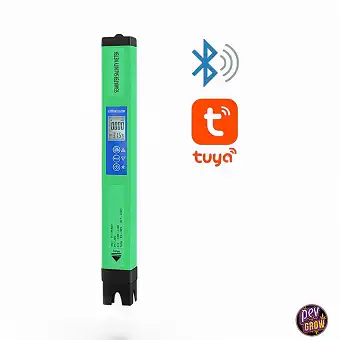
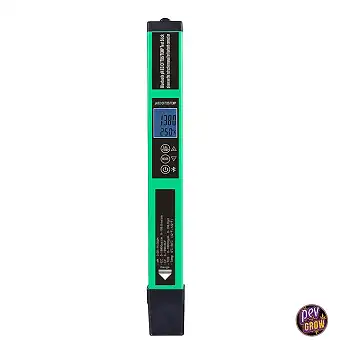
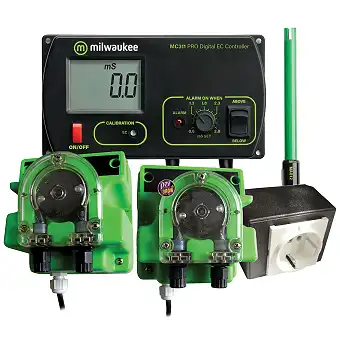
How much food is actually in your water? That is what Electro-Conductivity (EC) tells you. With our EC Meters, you can prevent nutrient burn by knowing exactly how concentrated your solution is. It is the difference between pushing your plants to the limit and frying them.
Thermohygrometers
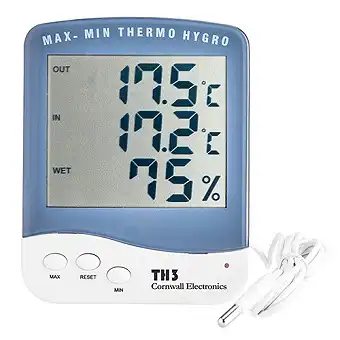
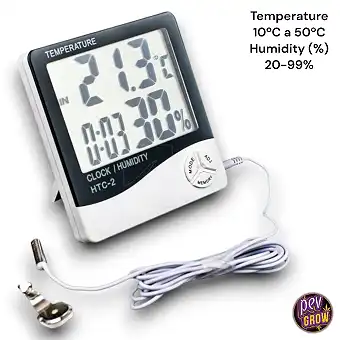
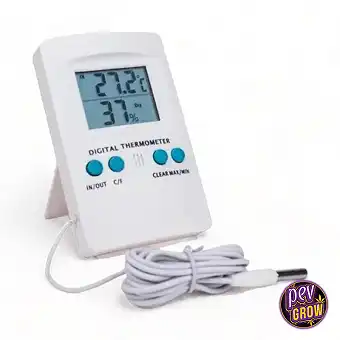
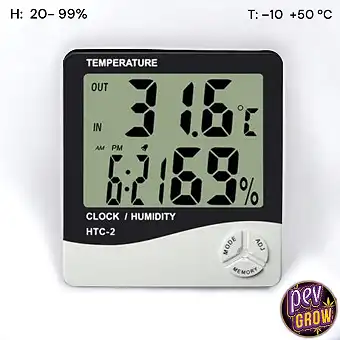
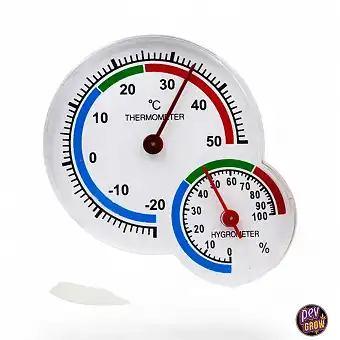
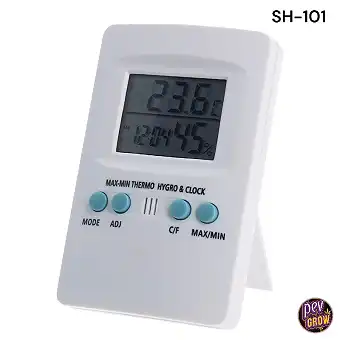
Temperature and humidity are the yin and yang of your grow environment. If they get out of whack, you invite mold, pests, or stunted growth. A good thermohygrometer is your first line of defense, helping you keep the VPD (Vapor Pressure Deficit) in the sweet spot so your plants transpire perfectly.
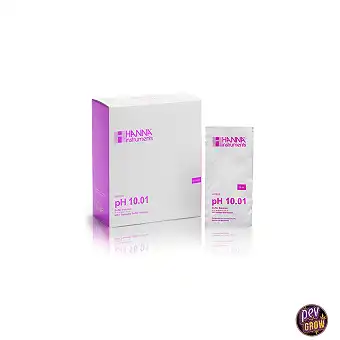
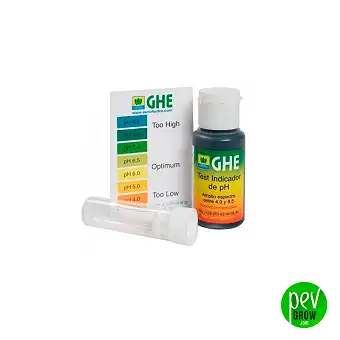
PH Calibration Solution
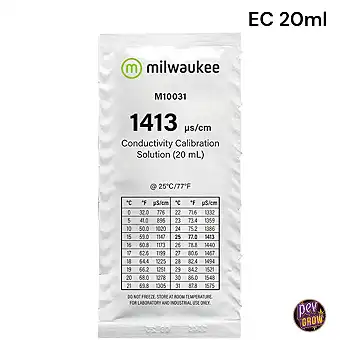
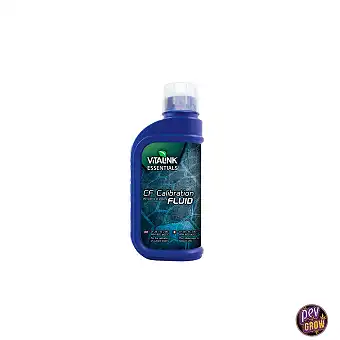
A meter that lies to you is worse than no meter at all. Over time, all digital instruments drift. That is why PH calibration solutions are non-negotiable. They are the reference point that keeps your equipment honest and your readings accurate. Don't skip this; it's the cheapest insurance for your crop.
Milwaukee Measuring Instruments
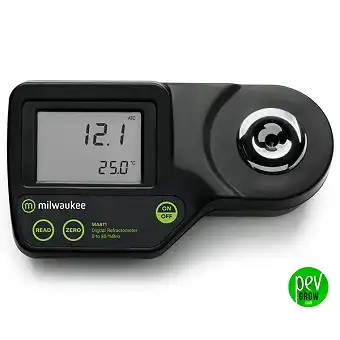
If you are looking for professional reliability, Milwaukee measuring instruments are industry standards. They offer robust, durable, and highly accurate devices that are built to withstand the humid and sometimes harsh environment of a grow room. When you are ready to stop playing guessing games, this is the brand you look at.
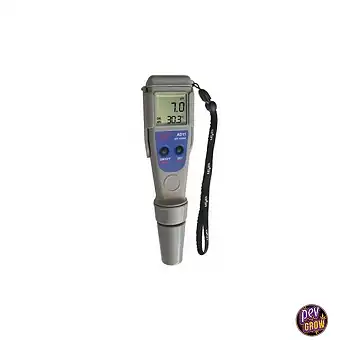
Adwa Meters
Adwa Meters are fantastic for growers who want a balance between high precision and affordability. They are known for being user-friendly and waterproof, making them a favorite for daily use in both hobby and commercial setups. Great tech without breaking the bank.
Why getting this right changes your harvest game
You might think, "Can't I just wing it?" Sure, but you will never hit those gram-per-watt records. When you control the environment and the feed with precision, you remove the stress from the plants. Stress-free plants focus entirely on producing resin and fat buds.
By maintaining the correct pH, you ensure every drop of fertilizer is used. By nailing the EC, you maximize growth speed without burning tips. And by locking in your temp and humidity, you prevent the heartbreak of finding botrytis (bud rot) in the final week of flowering. It’s about working smarter, not harder.
Honest tips you don't usually see on a product page
Here is the real talk: maintenance is everything. The most expensive pH pen in the world becomes trash in a month if you let the probe dry out. Always store your pH meters with storage solution in the cap—never tap water, and definitely never distilled water (it ruins the glass bulb).
Also, temperature affects pH readings. If your water is super cold, your reading might be off unless your meter has ATC (Automatic Temperature Compensation). Most of ours do, but it's something to keep in mind. Treat these tools like scientific instruments, and they will reward you with harvests you'll want to brag about.
Frequently Asked Questions about Measuring Instruments
What is the ideal pH for cannabis?
For soil grows, aim for a pH between 6.0 and 7.0. If you are growing in hydroponics, coco coir, or rockwool, you need to be more acidic, typically between 5.5 and 6.5. Staying in these ranges ensures all macro and micronutrients are available.
How often should I calibrate my pH meter?
Ideally, you should check the calibration once a month or whenever you suspect a weird reading. If you use it every day, calibrating every two weeks is a good habit. Always use fresh calibration fluid for accuracy.
Why is EC important for growing?
EC measures the total dissolved salts (nutrients) in your water. It tells you how "strong" your mix is. Seedlings need a low EC (0.4–0.8), while flowering plants can handle much higher levels (1.6–2.2+). It prevents you from underfeeding or overdosing your plants.
Can I use a soil pH meter for water?
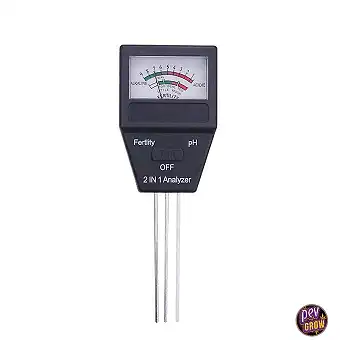
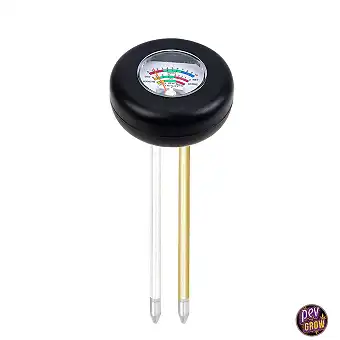
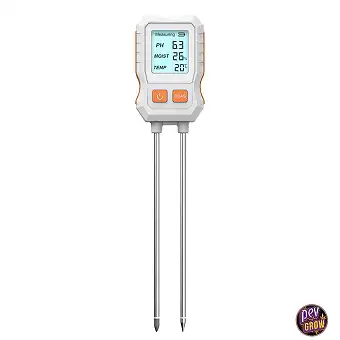
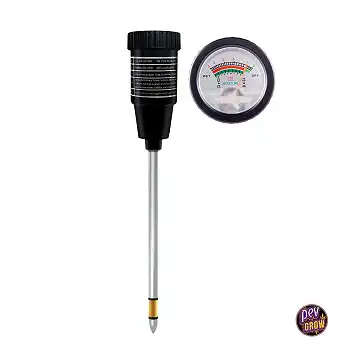
Some meters are designed specifically for soil (with a metal probe), and others for liquids (glass bulb). While some are hybrids, it is best to use a liquid pen for your nutrient solution and a specific soil probe if you want to measure the substrate directly.
Among all of you who comment or send us your questions there will be a bimonthly draw for a 50 euros voucher to buy in Pevgrow. What are you waiting for? Write now and participate!