Contact us
 +34 722 619 284


 Español
 Français
 Deutsch
 Italiano
 Português PT
 Română
 Polski
 Nynorsk
 Українська
 Nederlands
 Svenska
 Čeština
 български език
 ελληνικά
 Magyar
 Eesti keel
 Slovenščina
 Latviešu valoda
 Català
 Galego
 Euskera
 Русский
Rooting Hormones & Cloning Gels
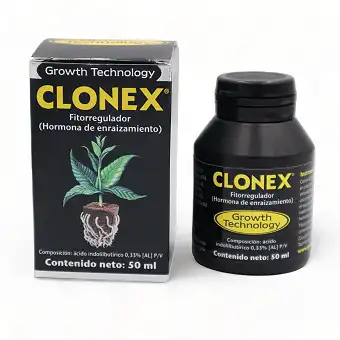
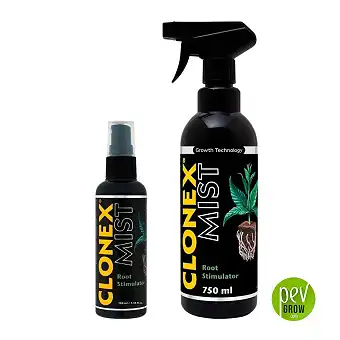
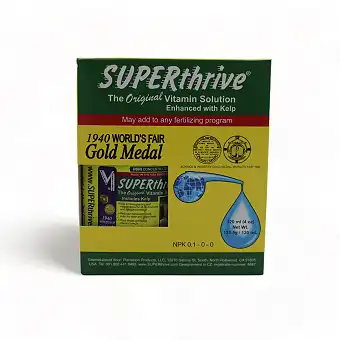
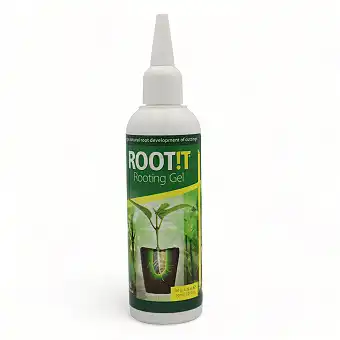
Say goodbye to failed clones. Explore our top-tier selection of rooting hormones, cloning gels, and organic root stimulators. Whether you prefer gel, liquid, or powder, we've got the exact formula you need to make your cuttings explode with healthy, vigorous roots in record time.
 Play Text to Audio

What kind of rooting hormone do your cuttings need?
We've all been there, man. You take the perfect cutting from your favorite mother plant, stick it in the medium, and a few days later... it's wilted, yellow, and totally dead. It's super frustrating to lose those elite genetics just because the roots didn't pop in time. That's exactly where a high-quality rooting hormone comes in to save the day. By giving your clones the exact auxins and vitamins they crave, you trigger explosive root growth, turning a vulnerable cutting into a vigorous, independent plant ready to thrive.
Gel, Liquid, or Powder: Which rooting agent fits your vibe?
Not all cloning jobs are the same, and picking the right texture makes a massive difference in your success rate.
Cloning Gels: The absolute favorite for most indoor growers. Because it's a thick gel, it completely seals the cut tissue. This means it prevents dangerous air bubbles and infections while delivering a steady dose of hormones. Perfect if you are starting your clones in rockwool cubes or peat pellets.
Rooting Powders: Old school but incredibly effective. They stick right to the moisture of the fresh cut. Because they have a super long shelf life and are ridiculously easy to apply, you get a highly reliable and cost-effective solution for large-scale cloning.
Liquid Rooting Hormones: Highly versatile. You can dilute them to soak your growing mediums or use them directly in automated cloners.
Pro tips for a 100% clone survival rate
If you want to master the art of cloning, the hormone is your best friend, but your environment is the key to the kingdom. Always use sterilized scissors or a scalpel to make a clean 45-degree cut. Dip the stem immediately into your rooting gel—but never dip directly into the main bottle! You don't want to contaminate your stash. Pour a little bit into a separate shot glass. Place your fresh clones in high-quality seed trays with a humidity dome to keep that moisture locked in at around 80-90%. If you're rooting in coconut substrate, make sure it's lightly moist, not soaking wet, so those new roots can breathe and stretch out looking for water.
Why grab your cloning supplies at Pevgrow?
Because we know exactly how much those killer genetics mean to you. We stock only the freshest, most proven rooting hormones on the market—from legendary synthetic gels to 100% organic stimulators. Plus, our discreet and lightning-fast shipping ensures you get your gear exactly when you need it. Ready to multiply your garden and chill while your plants do the hard work? Grab your rooting hormone today and watch those roots explode!
Frequently Asked Questions about Rooting Hormones
How long does it take for cuttings to root with hormones?
Usually, you'll see roots popping out of the starter plug within 7 to 14 days. Strains vary, but using a premium cloning gel significantly speeds up the process compared to going natural, giving you peace of mind and a faster turnaround.
Can I use rooting powder in hydroponic systems?
It's really not recommended, bro. Powders can wash off easily and clog your water pumps. If you're using hydroponic and aeroponic systems for cloning, liquid hormones or specialized gels are definitely your best bet for a clean run.
Do rooting hormones expire?
Yes, especially gels and liquids. Always store them in a cool, dark place (some growers even keep their gels in the fridge) to maintain the maximum potency of the active hormones. Powders generally have a much longer shelf life, making them great for occasional growers.
Among all of you who comment or send us your questions there will be a bimonthly draw for a 50 euros voucher to buy in Pevgrow. What are you waiting for? Write now and participate!