Contact us
 +34 722 619 284


 Español
 Français
 Deutsch
 Italiano
 Português PT
 Română
 Polski
 Nynorsk
 Українська
 Nederlands
 Svenska
 Čeština
 български език
 ελληνικά
 Magyar
 Eesti keel
 Slovenščina
 Latviešu valoda
 Català
 Galego
 Euskera
 Русский
Anti-Odor Carbon Filters
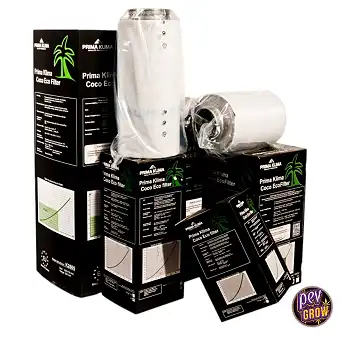
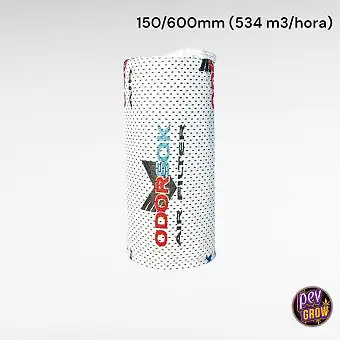
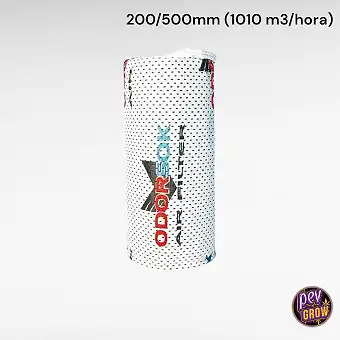
Keep your indoor grow 100% discreet with our selection of anti-odor carbon filters. Essential for removing the intense aroma of flowering plants, these filters ensure that the only thing leaving your extraction system is clean, odorless air. Don't take risks—scrub the air effectively.
 Play Text to Audio

The first things I'd ask you before you buy a filter
Look, we all love that dank smell, but let's be real: it is the number one snitch in this game. If you are growing indoors, discretion isn't just a luxury; it's a survival rule. Before you throw any filter into your cart, there are a few things we need to clear up so you don't end up with a setup that leaks smell just when your plants are most aromatic.
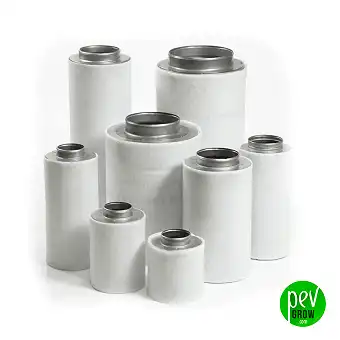
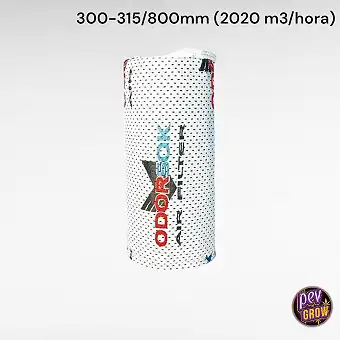
First off, what is the capacity of your extractor fan? This is the golden rule: your carbon filter must always have a slightly higher flow rate (m3/h) than your extractor. If the extractor is too powerful for the filter, the air passes through too quickly, the carbon can't scrub it, and the smell escapes. Second, what is the diameter of your ducting? It sounds silly, but you don't want to be fighting with reducers and duct tape because you bought a 125mm filter for a 150mm tube.
Based on your setup, here is what you need
Once you know your numbers, it is time to pick the gear. Not all filters are created equal, and depending on your budget and the density of your buds, you might need different tiers of filtration.
Can Filters - Carbon Filters
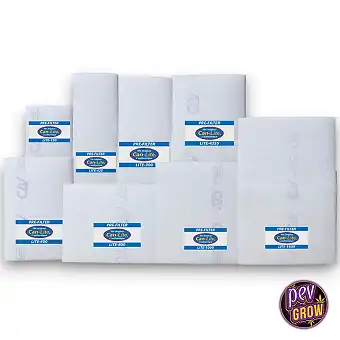
If you are not messing around and want the heavy artillery, you should look at Can Filters. These guys are legends in the industry for a reason. They use a specific type of pelletized carbon that offers an insane surface area for absorption. They are heavier and have a thicker carbon bed than standard filters, which means they last longer and handle high humidity better than the budget options. If you are running a serious operation and sleep is more important than saving a few bucks, this is your go-to subcategory.
Why getting this right saves your neck
Imagine this: you are in week 6 of flowering. Your plants look amazing, resin is dripping, and the smell is pungent. Suddenly, you catch a whiff of it in the hallway... or worse, outside your front door. That is the nightmare scenario. A high-quality carbon filter is the difference between a stressful harvest and total peace of mind.
By trapping the odor molecules within the activated carbon pores, you are scrubbing the air before it ever leaves your 120x120 grow tent. The benefit isn't just technical; it's emotional. You stop being paranoid every time the doorbell rings. Plus, clean air keeps your setup professional and avoids attracting pests that are drawn to the aroma.
Honest tips you won't see on the label
Here is some real talk from one grower to another. Carbon filters have a kryptonite: humidity. If the relative humidity in your grow room goes above 70%, the carbon pores get clogged with water molecules instead of smell molecules, and the filter stops working. Always keep an eye on your thermohygrometer to ensure you are in the safe zone.
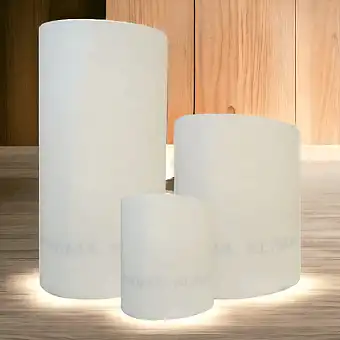
Another trick? Wash the white pre-filter sleeve every crop. It catches dust and debris; if it gets clogged, your extractor has to work harder, reducing airflow and lifespan. And if you have a sudden spike in smell during harvest (when you open the tent), keep some odor neutralizers handy as a backup safety net for the room itself.
Frequently Asked Questions about Carbon Filters
How do I calculate the right size for my filter?
Check your extractor fan's cubic meters per hour (m3/h). You need a filter that matches that number or, ideally, exceeds it by about 20%. For example, if your fan pulls 400 m3/h, get a filter rated for 450 or 500 m3/h. Never go lower, or the smell will pass right through.
How long does a carbon filter last?
It depends on the quality and the humidity, but generally, a standard filter lasts about 3 to 4 crops (9-12 months of continuous use). Premium ones like Can Filters can last up to 18 months if treated well. When you start smelling the plants outside the tent, it's time to swap it out immediately.
Can I refill the carbon myself?
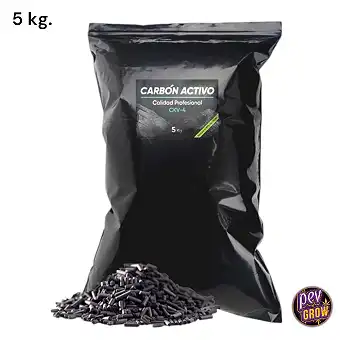
Technically, yes, but it's a hassle. You need specific activated carbon pellets and a way to vibrate the cylinder to pack it tightly without air pockets. If you leave gaps, the air will take the path of least resistance (the gap), and the filter won't work. For most growers, buying a new one is safer and more efficient.
Does the filter reduce the extraction power?
Yes, adding a carbon filter creates resistance (static pressure), which reduces the total airflow of your fan by about 20-25%. Keep this in mind when designing your ventilation system to ensure you can still manage temperatures effectively.
Among all of you who comment or send us your questions there will be a bimonthly draw for a 50 euros voucher to buy in Pevgrow. What are you waiting for? Write now and participate!