Contact us
 +34 722 619 284


 Español
 Français
 Deutsch
 Italiano
 Português PT
 Română
 Polski
 Nynorsk
 Українська
 Nederlands
 Svenska
 Čeština
 български език
 ελληνικά
 Magyar
 Eesti keel
 Slovenščina
 Latviešu valoda
 Català
 Galego
 Euskera
 Русский
 Türkçe
Irrigation Drippers
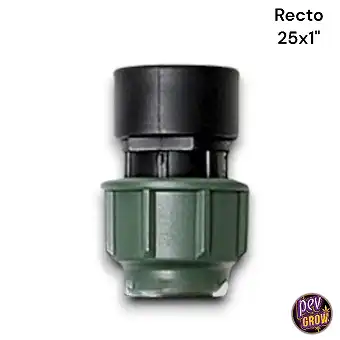
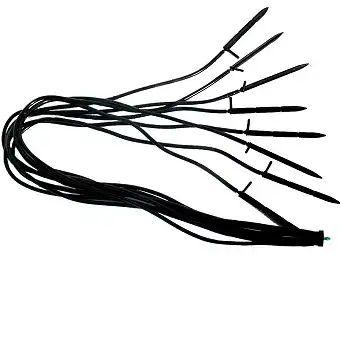
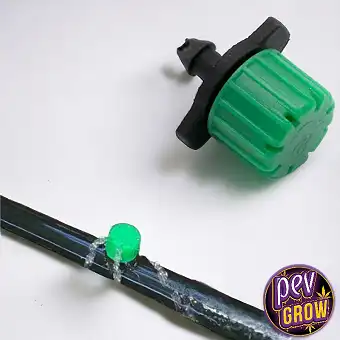
Automate your watering with our selection of irrigation drippers, stakes, and fittings. Whether you need precise flow control, pressure compensation, or simple gravity setups, you'll find everything here to keep your plants hydrated and happy without the daily hassle.
 Play Text to Audio

The first things I’d ask before you buy a dripper
Look, I know you just want to set it and forget it, but before you throw a bunch of plastic into your cart, let's get real for a second. Choosing the right dripper isn't just about water coming out of a tube; it's about precision. If we were hanging out in your grow room right now, I'd ask you: What kind of substrate are you running? Coco coir needs a different flow rate than soil or rockwool. Also, how big is your setup? If you're running a long line with many plants, you need to worry about pressure drops at the end of the line.
And seriously, are you building this from scratch or upgrading? If you are putting together complete drip irrigation systems, the dripper is the heart of the operation. Get this wrong, and you'll have one plant drowning while the other is gasping for air.
Based on your setup, here’s what makes sense for you
Okay, now that you've thought about the logistics, let's narrow it down. If you are dealing with a large indoor crop or a long outdoor row, you absolutely need pressure-compensating drippers. These bad boys ensure that the first plant gets the exact same amount of water as the last one. No favorites here.
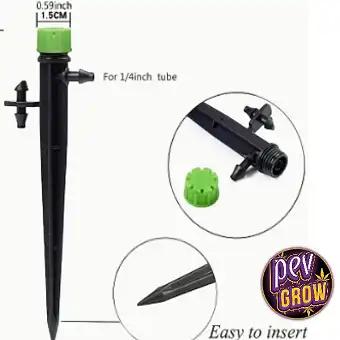
On the other hand, if you are rocking a hydroponic grow kit or a simple pot setup, standard button drippers or stake drippers (the ones that anchor into the soil) are usually perfect. They are cheaper and get the job done. Just remember, if you are automating everything, your choice of dripper needs to match the power of your irrigation pumps. A weak pump won't open a high-pressure dripper, and a strong pump will blow a weak fitting right off.
Why getting the right dripper matters (more than you think)
You might think, "It's just a piece of plastic, man." But that piece of plastic is the difference between a root zone that thrives and one that rots. When you dial in your drippers, you get consistent moisture levels, which means your plants can uptake nutrients constantly without stress. This leads to explosive growth and, eventually, fatter buds.
Plus, let's be honest: the main benefit is freedom. Once you trust your system, you can actually leave the house for a weekend without panicking. That peace of mind? Priceless.
Honest tips you don’t usually see on a product page
Here is the stuff nobody tells you until it's too late. Always buy spare drippers. They are cheap, and if one clogs mid-flower, you don't want to wait for shipping. Speaking of clogging, if you are using organic nutrients, your drippers will get dirty. Run a cleaner through your lines once a week or use a filter. And finally, check your connections! A 16mm pipe doesn't always fit a 16mm fitting perfectly if they are from different brands—heating the tube end with a lighter (carefully!) or warm water makes sliding those fittings in way easier.
Frequently Asked Questions about Irrigation Drippers
How many drippers do I need per plant?
It depends on the pot size. For small pots (up to 7-11 liters), one dripper is usually enough. For larger pots (15L+), use two or more to ensure the water spreads evenly across the entire root zone and doesn't just tunnel straight down.
What is the difference between 16mm and 6mm fittings?
16mm is usually your main supply line (the backbone of your system), while 6mm (or 4mm/micro-tubing) is the thinner tube that branches off from the main line to feed individual plants. You'll need fittings to connect the two.
Can I clean clogged drippers?
Sometimes, yes. Soaking them in a mixture of warm water and vinegar or a specific line cleaner can help dissolve salt buildups. However, if they are totally blocked with organic gunk, it's often easier and safer to just replace them.
Do I need a pump for these drippers?
Most drippers require some pressure to work correctly, so a pump is recommended. However, there are specific "gravity-fed" kits and drippers designed to work just by hanging a water tank higher than the plants.
Among all of you who comment or send us your questions there will be a bimonthly draw for a 50 euros voucher to buy in Pevgrow. What are you waiting for? Write now and participate!