Contact us
 +34 722 619 284


 Español
 Français
 Deutsch
 Italiano
 Português PT
 Română
 Polski
 Nynorsk
 Українська
 Nederlands
 Svenska
 Čeština
 български език
 ελληνικά
 Magyar
 Eesti keel
 Slovenščina
 Latviešu valoda
 Català
 Galego
 Euskera
 Русский
Inline Extractors
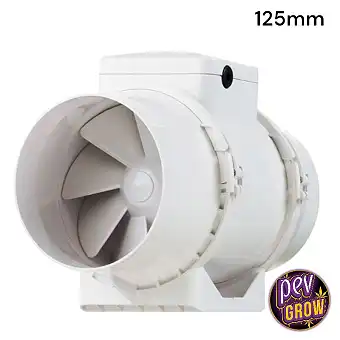
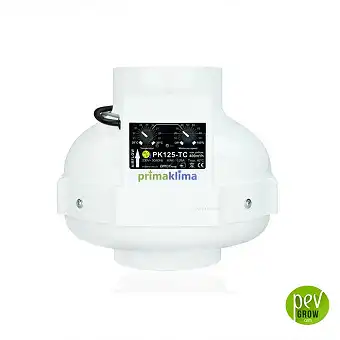
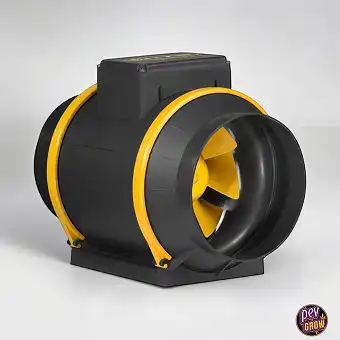
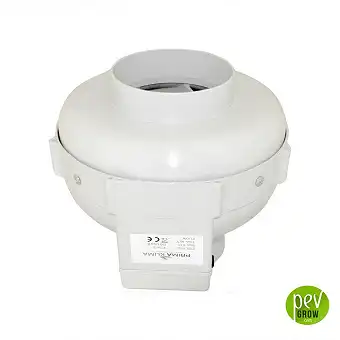
Give your plants the fresh air they crave with our selection of inline extractors. Whether you need a stealthy silent fan or a high-power turbine for large rooms, here you'll find the perfect engine to manage temperature, humidity, and odors in your crop.
 Play Text to Audio

Why your harvest depends on good ventilation (and why you shouldn't cheap out)
Let's be real: if your plants can't breathe, they can't grow. You might have the best lights and the most expensive nutrients, but without proper air exchange, you are basically suffocating your crop. An inline extractor is the heart of your grow room, pumping out stale, hot air and pulling in fresh CO2 that your girls need to photosynthesize and fatten up those buds.
Investing in a quality extraction system isn't just about moving air; it's about protecting your investment. A failure here means heat stress, mold, and potentially losing months of work. Plus, let's talk about discretion. A cheap, rattling fan is the quickest way to annoy your neighbors (or worse). By choosing the right equipment, you ensure stable climate control, keeping temperature and humidity exactly where you want them for explosive growth.
Entry-level duct fans: Perfect for small setups and intakes
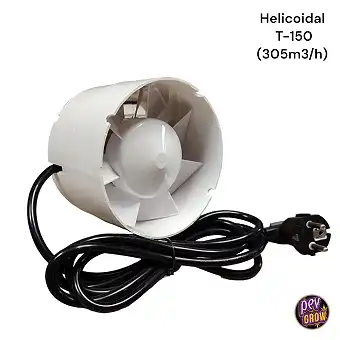
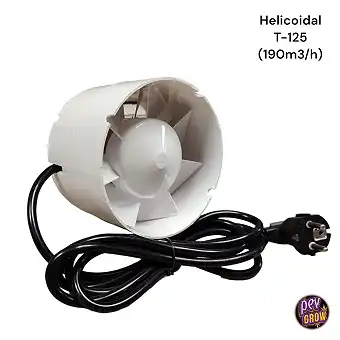
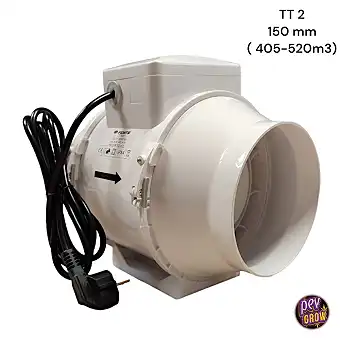
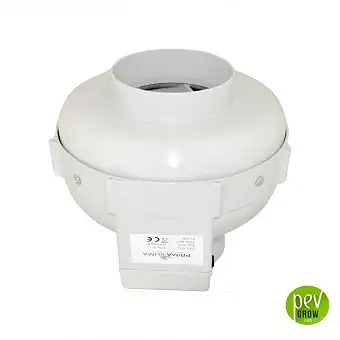
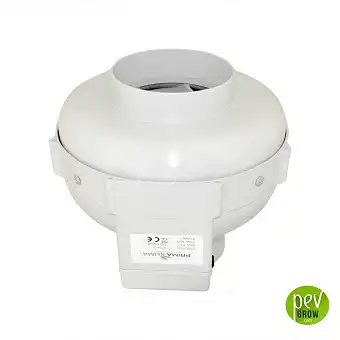
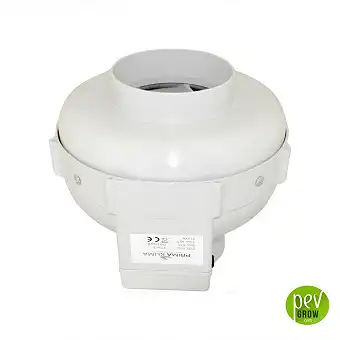
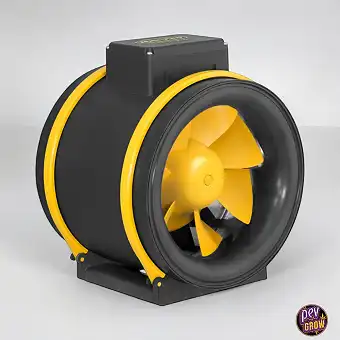
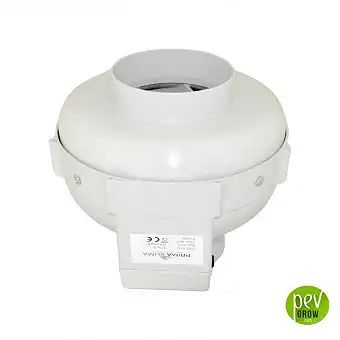
Not every grow needs a jet engine. If you are running a compact setup, like one of our grow tents 60x60, or if you just need a secondary fan to actively push fresh air in (intake), the more affordable helical inline fans are a smart choice. They are lightweight, easy to install, and get the job done without breaking the bank.
These models are great for beginners or for auxiliary cooling of lighting fixtures. However, keep in mind that they have lower pressure capabilities compared to centrifugal models, so they work best with short duct runs where air resistance is minimal. It's all about matching the tool to the job.
Silent giants: High-performance extractors for serious growers
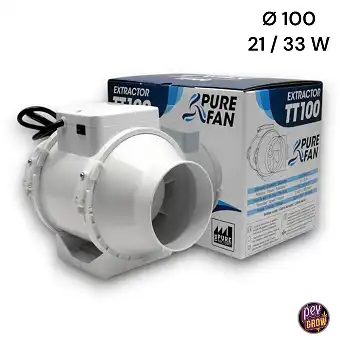
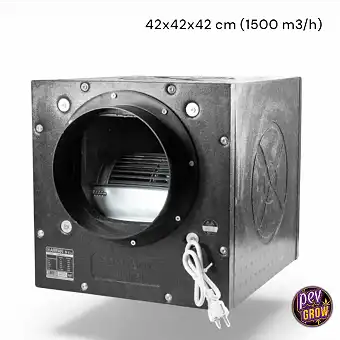
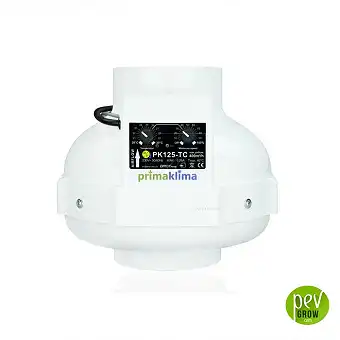
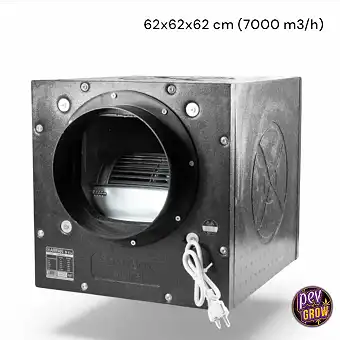
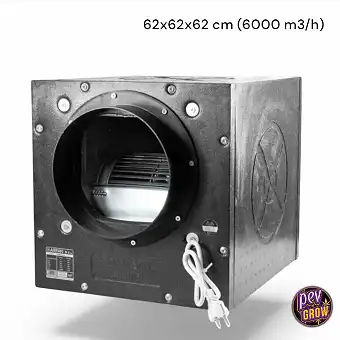
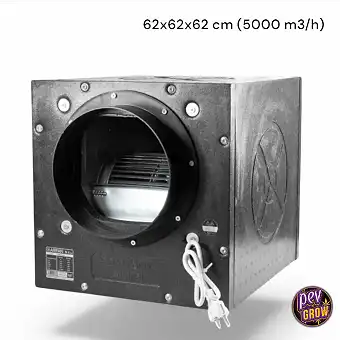
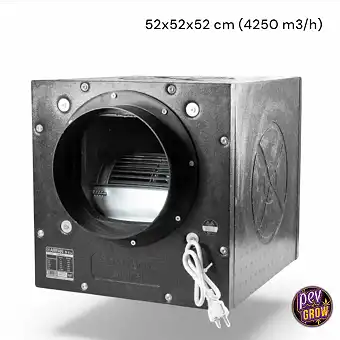
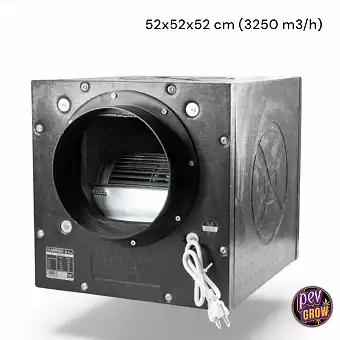
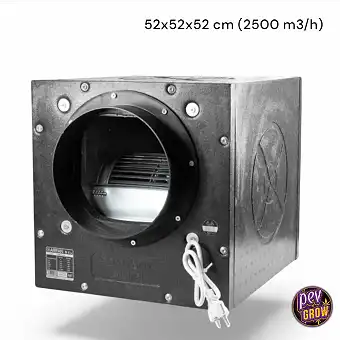
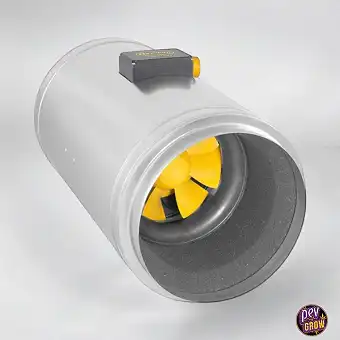
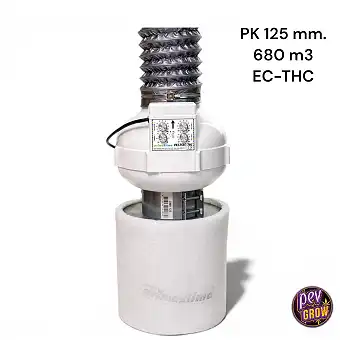
When you step up your game, you need power and, more importantly, silence. This is where professional tubular extractors and soundproof boxes shine. If you are dealing with high-wattage lights or larger spaces, you need a fan that can move a massive amount of air through Can filters - Carbon filters without losing suction power.
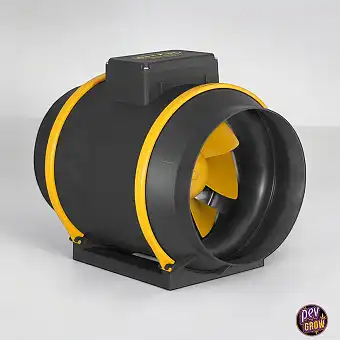
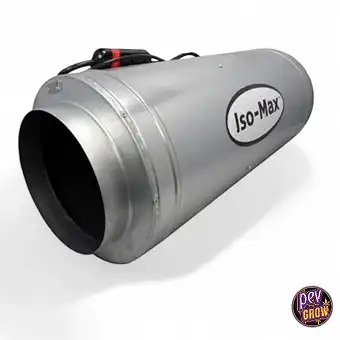
Models like the Iso-Max or Q-Max are engineered to be whisper-quiet while delivering high pressure. This means you can scrub 100% of the odor and keep temps down without your grow room sounding like an airport runway. It’s an investment in peace of mind and stealth, ensuring your operation stays low-key and highly productive.
Mastering your airflow: Tips to extend your equipment's life
Getting the best gear is step one; using it right is step two. To get the most out of your inline extractor, ensure your ducting is as straight as possible. Every bend in your ventilation tubes reduces efficiency and increases noise. Also, regular cleaning of the fan blades prevents dust buildup, which can unbalance the motor and cause annoying vibrations over time.
Another pro tip: always aim for slightly negative pressure in your tent (where the walls suck in slightly). This ensures that no smell escapes through the zippers or seams, forcing all air to pass through your carbon filter. It’s the golden rule for a discreet and successful harvest.
Frequently Asked Questions
How do I calculate the m3/h I need for my grow tent?
A simple rule of thumb is to calculate the volume of your grow space (Length x Width x Height in meters) and multiply it by 60. This gives you the air exchange needed once per minute. However, if you use hot lights (HPS) or have a carbon filter attached, you should add 20-30% more power to account for the heat and air resistance.
What is the difference between an inline and a tubular extractor?
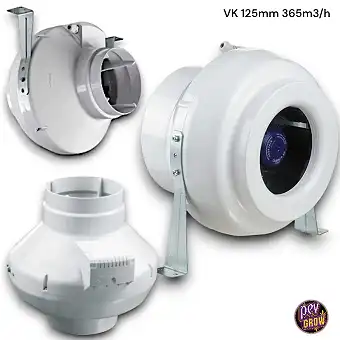
Technically, both are installed "in-line" with the ducting. However, we often refer to "inline" for the simpler, axial fans (like bathroom fans) which are cheaper but weaker against pressure. "Tubular" usually refers to centrifugal fans (like the RVK or VK) which are bulletproof, powerful, and designed to push air through long ducts and filters.
Can I use a speed controller with these fans?
Yes, but be careful! Not all fans work well with cheap voltage dimmers (they can hum or buzz). It is best to buy a fan with a built-in speed switch or use a transformer-based controller to adjust the speed without creating electrical noise or damaging the motor.
Among all of you who comment or send us your questions there will be a bimonthly draw for a 50 euros voucher to buy in Pevgrow. What are you waiting for? Write now and participate!