Contact us
 +34 722 619 284


 Español
 Français
 Deutsch
 Italiano
 Português PT
 Română
 Polski
 Nynorsk
 Українська
 Nederlands
 Svenska
 Čeština
 български език
 ελληνικά
 Magyar
 Eesti keel
 Slovenščina
 Latviešu valoda
 Català
 Galego
 Euskera
 Русский
 Türkçe
NPK Fertilizers
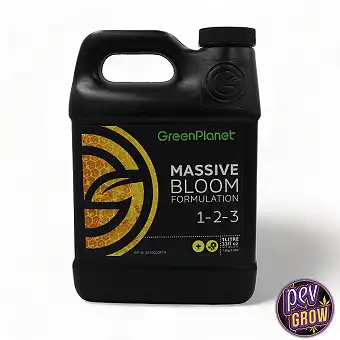
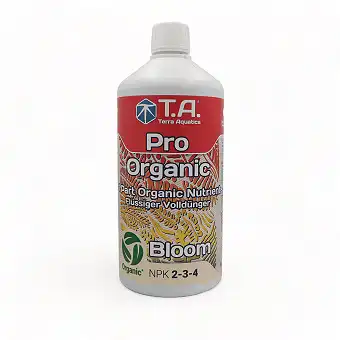
NPK is the holy trinity of cannabis nutrition. Without these three elements, your plants simply won't make it to the finish line. Here you will find the best selection of base nutrients and boosters to ensure your crop gets exactly what it needs, when it needs it. Get ready for explosive growth and heavy flowers.
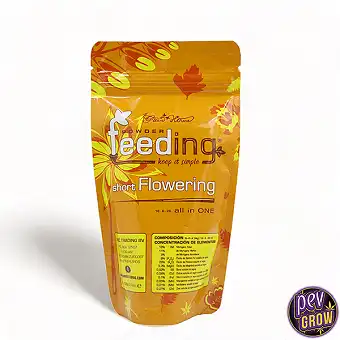
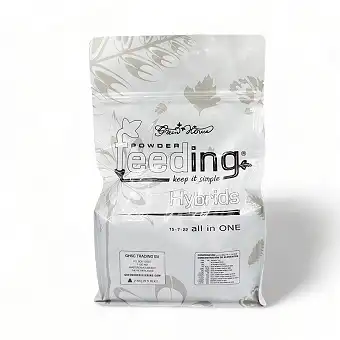
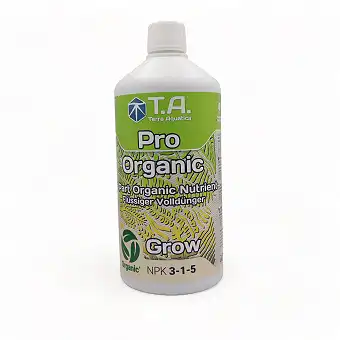
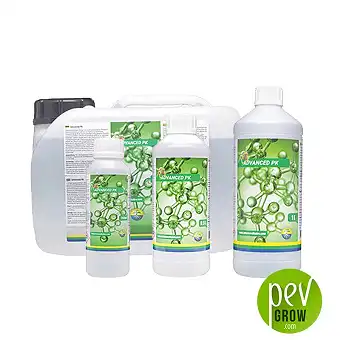
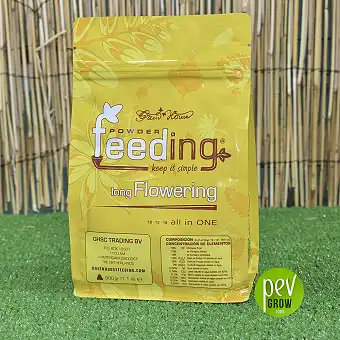
 Play Text to Audio

Before you start: Decoding the N-P-K numbers
If you've ever looked at a fertilizer bottle and felt like you were reading a secret code, relax, you're not alone. Those three numbers separated by hyphens (like 4-3-3 or 0-50-30) are the backbone of your grow. They represent the percentage of Nitrogen (N), Phosphorus (P), and Potassium (K) contained in the product. Think of them as the macronutrients in your diet: proteins, carbs, and fats, but for your weed.
Getting this balance right is the difference between a sad, yellowing plant and a vigorous beast loaded with resin. Nitrogen drives the green, leafy growth; Phosphorus is crucial for root development and flower formation; and Potassium regulates the plant's metabolism and bulk. If you ignore this, you're basically starving your crop. But don't worry, we've curated the best options so you don't have to be a chemist to get professional results.
Step 1: Match the ratio to the life stage
Your plants have mood swings, and their appetite changes as they grow. You can't feed them the same thing from seed to harvest and expect top-shelf buds. During the vegetative stage, your girls are hungry for Nitrogen to build strong stems and lush foliage. A fertilizer with a higher first number (N) is your best friend here.
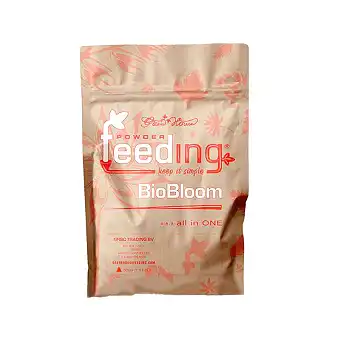
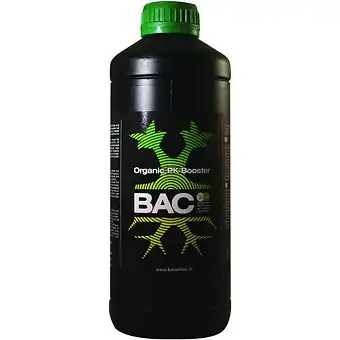
Once you flip the lights to 12/12 and flowering begins, the game changes. Now, the plant needs to focus energy on creating dense buds, so you need to drop the Nitrogen and pump up the Phosphorus and Potassium. This is where those "PK Boosters" come into play. If you want to keep things simple and effective, checking out powdered nutrients can save you a lot of measuring time while delivering a precise NPK punch for every phase.
Step 2: Liquid vs. Solid – What’s your style?
This is the classic debate. Liquid fertilizers are super popular because they are easy to mix and the plant absorbs them almost instantly. They are perfect if you like to have total control over the EC (electro-conductivity) of your water and correct deficiencies quickly. Brands like Advanced Nutrients have mastered this liquid game, offering formulas that even adjust the pH for you.
On the other hand, solid or powdered fertilizers are great for growers who want bang for their buck and ease of transport. They are highly concentrated and stable. And if you are a flavor chaser who prioritizes terpenes over pure volume, you might want to look into 100% organic fertilizers. These often come with lower NPK numbers, but they feed the soil life, which in turn feeds your plant in a much more natural and smooth way.
Step 3: Dosage and preventing nutrient burn
More is not always better. In fact, in the world of growing, "more" usually means burnt tips and clawing leaves. The biggest mistake rookies make is thinking that doubling the dose will double the yield. It won't. It will just lock out the roots.
Start low. If the manufacturer says 4ml per liter, try 2ml or 3ml first and see how your plants react. It's much easier to add more NPK than to flush it out of the soil once you've overdone it. Keep an eye on the leaf tips; if they start turning brown and crispy, back off. Your goal is a healthy green, not a dark, shiny, nitrogen-toxic green.
Frequently Asked Questions about NPK
What is the best NPK ratio for flowering?
For the flowering stage, you generally want low Nitrogen and high Phosphorus and Potassium. A ratio like 1-3-4 or a pure PK booster of 13-14 is standard. Late in bloom, some growers go even higher on the P and K to harden the buds.
Can I mix different NPK brands?
Technically yes, but it's risky. Each brand designs its nutrient line to work synergistically. If you mix a Grow A from one brand with a Bloom B from another, you might double up on some micronutrients or cause a chemical lockout. It's safer to stick to one line until you really know what you're doing.
How often should I use NPK fertilizers?
This depends on your substrate. In hydroponics or coco, you feed with every watering. In soil, you usually alternate between nutrient water and plain water to prevent salt buildup. Always follow the feed chart provided by the brand, but read your plants first.
What happens if there is too much Nitrogen in flowering?
Too much Nitrogen during bloom will result in leafy, airy buds and a harsh taste when you smoke it. It can also delay the harvest. If you see dark green, clawed leaves in week 5 of flower, flush your medium immediately.
Among all of you who comment or send us your questions there will be a bimonthly draw for a 50 euros voucher to buy in Pevgrow. What are you waiting for? Write now and participate!