Contact us
 +34 722 619 284


 Español
 Français
 Deutsch
 Italiano
 Português PT
 Română
 Polski
 Nynorsk
 Українська
 Nederlands
 Svenska
 Čeština
 български език
 ελληνικά
 Magyar
 Eesti keel
 Slovenščina
 Latviešu valoda
 Català
 Galego
 Euskera
 Русский
Adwa Meters: Precision Instruments for Your Grow
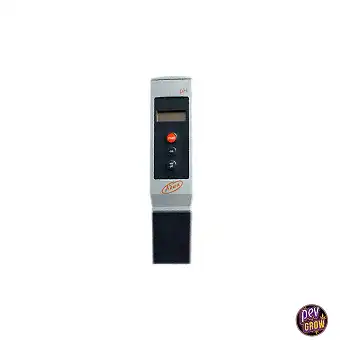
Stop playing guessing games with your nutrients. Adwa offers professional-grade, waterproof pH and EC meters that are essential for any serious grower. Whether you are dialing in a hydro setup or feeding soil, knowing your exact water values means healthier plants and heavier harvests. Explore our catalog of Adwa instruments and replacement probes right here.
 Play Text to Audio

Stop Guessing, Start Measuring: The Adwa Advantage
Look, we all know that feeling. You mix your nutes, you think you have the ratios right, but a week later your plants are showing spots or yellowing leaves. Is it a deficiency? Is it nutrient burn? 90% of the time, it’s a pH or EC issue. If you aren't measuring, you're just hoping for the best. That's where Adwa comes in. These guys are legends in the game for producing affordable, highly accurate, and durable measuring instruments.
Whether you are growing in soil or running a high-performance Hydroponic Planter, precision is the difference between a mediocre yield and a harvest that breaks the scale. Adwa gives you that lab-grade accuracy without needing a PhD to operate the device. It’s about taking full control of what your ladies are eating and drinking.
Why Precision Matters (And Why Your Plants Crave It)
Here is the harsh reality: if your pH is off, your plants literally cannot eat. It’s called nutrient lockout. You could be dumping the most expensive boosters in the world into your tank, but if the pH isn't in the sweet spot, the roots won't absorb a thing. This is especially critical if you are using inert media like Rock Wool Substrate, which has zero buffering capacity.
Adwa meters solve this headache instantly. By giving you a fast, temperature-compensated reading, you ensure that every drop of water you feed is perfectly optimized for uptake. No more stress, no more guessing, just lush green growth. Plus, monitoring your EC (Electro-Conductivity) tells you exactly how much food is in the water, preventing you from burning your crop with a mix that's too hot.
Which Adwa Tool Fits Your Setup?
Adwa keeps it simple but effective. You generally have two main warriors in their lineup: the pH meter and the EC meter. If you are using mineral fertilizers, like the potent Advanced Hydroponics Dutch Formula Of Holland, you absolutely need both.
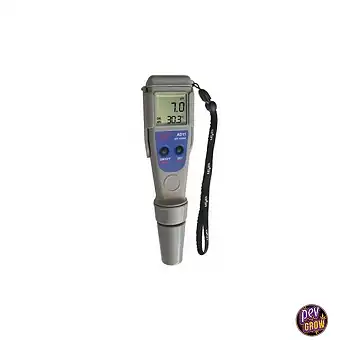
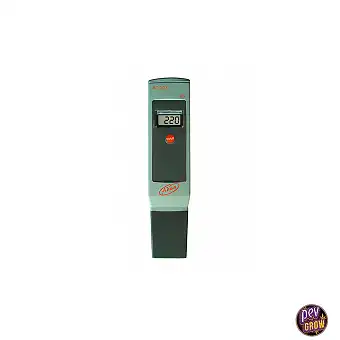
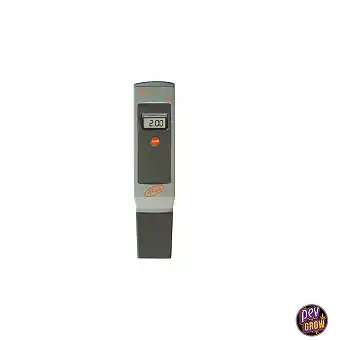
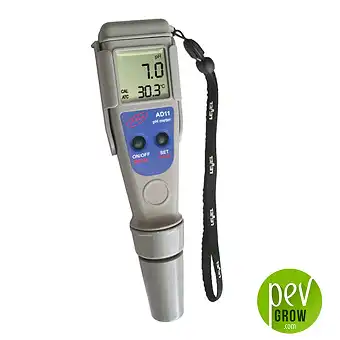
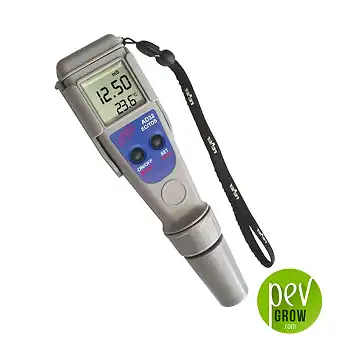
The Adwa AD11 is the go-to for pH. It’s waterproof (IP67), so if you drop it in the reservoir (and you will, eventually), it survives. It has automatic temperature compensation, meaning cold water won't throw off your reading. Then you have the Adwa AD32 for EC/TDS measurements. This tells you the density of salts in your solution. Together, they are the dynamic duo of the grow room. They are compact, fit in your pocket, and the probes are replaceable—so you don't have to buy a whole new unit when the sensor eventually wears out.
Durability That Handles the Grow Room Grind
Let’s be real, the grow room is a hostile environment for electronics. High humidity, water splashes, sticky resin fingers... cheap meters die fast here. One of the biggest benefits of choosing Adwa is the build quality. These things are built like tanks. The waterproof casing isn't just a gimmick; it protects the internal circuitry from the inevitable accidents that happen when you're rushing to water 20 plants.
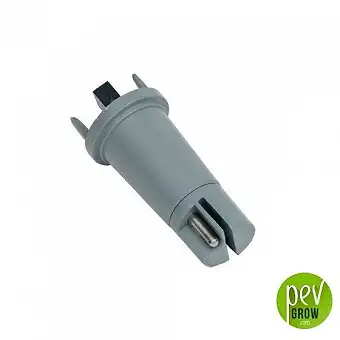
Furthermore, the modularity is a huge plus. Instead of tossing the device when the reading gets sluggish after a year or two of heavy use, you just unscrew the sensor, pop on a new one, and you're back in business. It’s a smart investment that pays for itself by saving just one harvest from a pH disaster.
Frequently Asked Questions About Adwa
How often should I calibrate my Adwa meter?
To keep things tight, you should calibrate your pH meter at least once a month, or whenever you suspect the reading is drifting. If you are measuring every day, a quick calibration every two weeks ensures you are always hitting the mark. EC meters hold calibration longer, but checking them monthly is good practice.
Can I store the pH meter dry?
Never! This is the number one way to kill your probe. The glass electrode needs to stay moist. Always put a few drops of storage solution (or pH 4.01 buffer solution in a pinch) inside the protective cap before putting it away. If it dries out, the sensor dies.
Are Adwa meters waterproof?
Yes, the popular models like the AD11 and AD32 are IP67 rated. This means they are fully waterproof and float if dropped in water. However, don't leave them submerged at the bottom of your tank; fish them out quickly and dry them off.
What is the difference between EC and TDS?
They measure the same thing (nutrient strength) but display it differently. EC measures electrical conductivity, while TDS (Total Dissolved Solids) estimates the parts per million (ppm). Adwa EC meters usually allow you to switch between these units so you can use whichever metric you are comfortable with.
Among all of you who comment or send us your questions there will be a bimonthly draw for a 50 euros voucher to buy in Pevgrow. What are you waiting for? Write now and participate!