Contact us
 +34 722 619 284


 Español
 Français
 Deutsch
 Italiano
 Português PT
 Română
 Polski
 Nynorsk
 Українська
 Nederlands
 Svenska
 Čeština
 български език
 ελληνικά
 Magyar
 Eesti keel
 Slovenščina
 Latviešu valoda
 Català
 Galego
 Euskera
 Русский
Grow Room Fans & Air Circulators
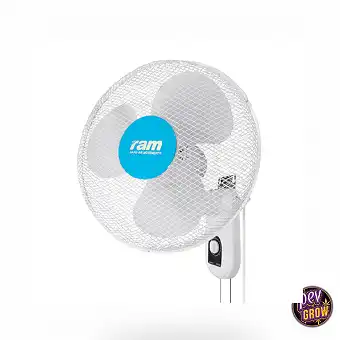
Don't let stagnant air ruin your harvest. Check out our range of grow room fans designed to strengthen stems, prevent mold, and keep your temperature in check. From silent clip-ons to powerful floor units, we've got the breeze you need.



 Play Text to Audio

Wait, What Does Your Grow Room Actually Need?
Look, before you just grab the first fan you see, let's have a quick chat. I've seen too many growers toss a random fan in the corner and wonder why they get hot spots or powdery mildew. To get this right, you need to ask yourself a few things first.
How much space are we talking about? If you are working with standard Grow tents 120X120, a massive industrial floor fan might be overkill—it'll turn your tent into a tornado. But if you've got a whole room, a tiny clip-on won't move enough air to save your life. Also, how much does noise bother you? Some of these beasts purr, while others roar. And finally, do you need oscillation? Spoiler: usually, the answer is yes, because static wind can stress your plants out if you aren't careful.
Finding the Perfect Wind for Your Setup
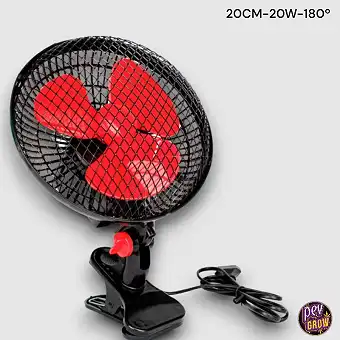
Alright, now that you've sized up your spot, let's match you with the right gear. If you're tight on space, the Monkey Fans or Clip-On Fans are absolute lifesavers. They latch right onto the poles of your structure, saving you precious floor space for more pots. They are perfect for keeping air moving between the canopy and the lights.
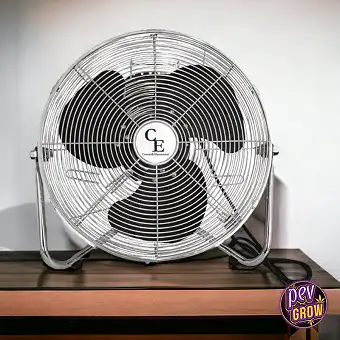
On the other hand, if you're running a bigger operation or need to move serious air at the bottom of the room to prevent cold, damp pockets, a Floor Fan or a Pedestal Fan is the way to go. These are the workhorses that ensure the entire room breathes. And hey, don't forget the end game—gentle air circulation is absolutely crucial when you are Harvesting and Drying Marijuana to prevent rot without drying the buds too fast.
Why Your Plants Will Love You for This
Getting your airflow dialed in isn't just about temperature; it's about mimicking nature. When you get this right, you'll see the difference immediately. First off, a steady breeze strengthens the stems. It's like a gym workout for your plants; the resistance makes them build thicker stalks capable of supporting heavier buds later on.
Secondly, you kill the mold before it starts. Fungi love stagnant, humid air. By keeping the air dancing, you make it impossible for spores to settle. Plus, good circulation helps replenish CO2 around the leaves, fueling photosynthesis. It's a win-win-win situation. Just make sure to keep an eye on the stats with your Thermohygrometers to ensure the humidity doesn't drop too low with all that airflow.
Pro Tips: Don't Make These Rookie Mistakes
Here is some honest advice you won't always see on the box. Don't point the fan directly at your plants at close range 24/7. You'll get "wind burn," where the leaves claw up and dry out because they're transpiring faster than the roots can drink. Aim the fan just above the canopy or at a wall to create a vortex effect.
Also, clean your fans! Dust builds up on the blades and grills like crazy in a grow room. A dirty fan is less efficient and can blow dust and pathogens right onto your sticky buds. Give them a wipe down every couple of weeks—your plants will thank you.
Frequently Asked Questions About Grow Fans
How many fans do I need for my grow tent?
As a general rule for a standard 1m² to 1.2m² tent, you want at least two fans: one oscillating fan above the canopy to dissipate heat from the lights and one below to move air through the foliage. The goal is to have all the leaves gently rustling, not thrashing around.
Should I leave the fans on when the lights go off?
Absolutely, yes. Plants respire at night, and humidity often spikes when the lights go out (since the temperature drops). Keeping the fans running 24/7 is essential to prevent mold and rot during the dark period.
What is the difference between an oscillating fan and a static one?
An oscillating fan moves side to side, distributing air more evenly and preventing constant wind stress on a single part of the plant. Static fans blow in one direction. Static fans are great for mixing air in the room generally, but oscillating fans are better for direct canopy airflow.
Can a fan help with high temperatures?
Yes, but it doesn't "cool" the air like an AC; it moves hot air away from the heat source (your lights) and prevents hot spots. It helps homogenize the temperature in the room, so your extraction system can remove the heat more efficiently.
Among all of you who comment or send us your questions there will be a bimonthly draw for a 50 euros voucher to buy in Pevgrow. What are you waiting for? Write now and participate!