Contact us
 +34 722 619 284


 Español
 Français
 Deutsch
 Italiano
 Português PT
 Română
 Polski
 Nynorsk
 Українська
 Nederlands
 Svenska
 Čeština
 български език
 ελληνικά
 Magyar
 Eesti keel
 Slovenščina
 Latviešu valoda
 Català
 Galego
 Euskera
 Русский
Climate Control for Indoor Growing


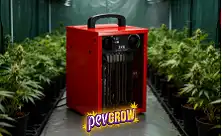
Take full command of your indoor garden's environment. From maintaining the perfect temperature and humidity to optimizing air circulation and CO2 levels, find everything you need to ensure your plants thrive and deliver heavy, high-quality harvests.





 Play Text to Audio

Why Climate Control is the Backbone of a Heavy Harvest
You’ve got the premium genetics, the high-end LEDs, and the best nutrients money can buy. But let’s be real: if your grow room feels like a sauna one minute and a freezer the next, your plants are going to suffer. Climate control isn’t just an accessory; it’s the environment where your magic happens.
Think of your indoor grow tent as a biosphere. You are Mother Nature here. If you don’t manage the temperature, humidity, and air exchange, you’re inviting stress, pests, and the dreaded mold. But when you dial it in? That’s when you see explosive growth and rock-hard buds. It’s about creating a stable paradise where your plants can focus solely on getting fat and resinous.
Essential Gear for Total Environmental Control
Building the perfect ecosystem requires specific tools for specific jobs. Here is the breakdown of the arsenal you need to keep your indoor garden running like a Swiss watch.
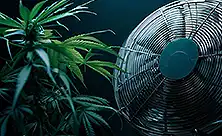
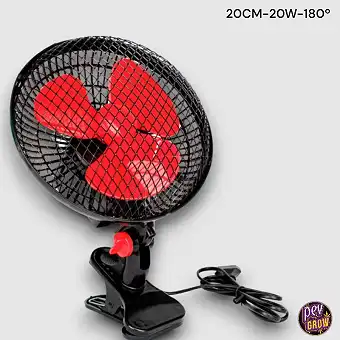
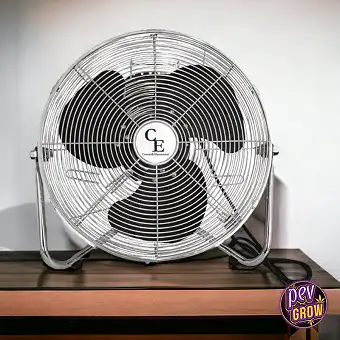
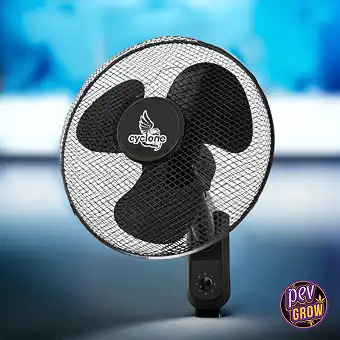
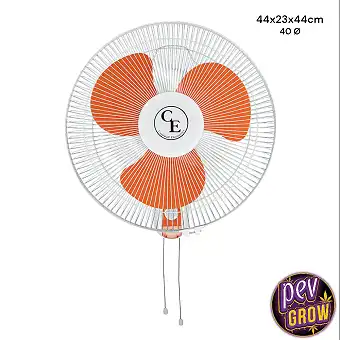
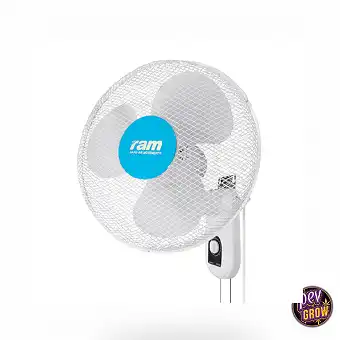
Air Fans
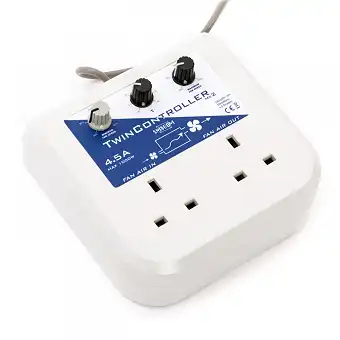
Stagnant air is the enemy. Air fans are crucial for strengthening plant stems through wind resistance and preventing hot spots under your lights. Good circulation keeps pests at bay and ensures fresh CO2 reaches every leaf.
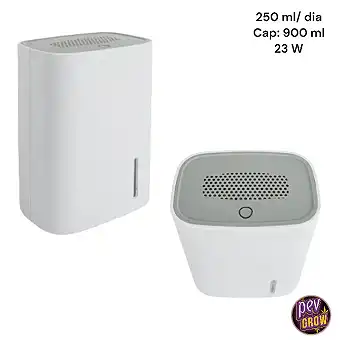
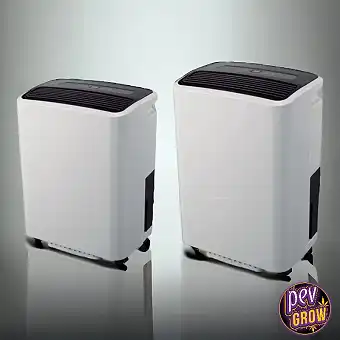
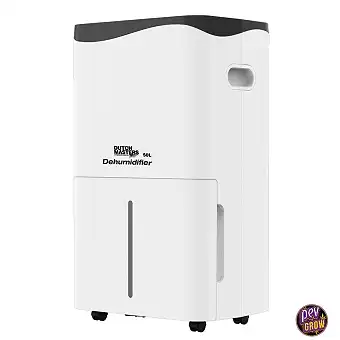
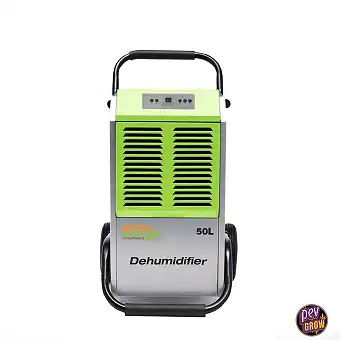
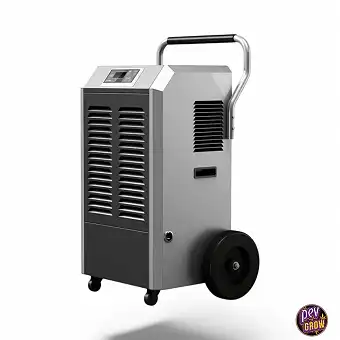
Air Dehumidifier
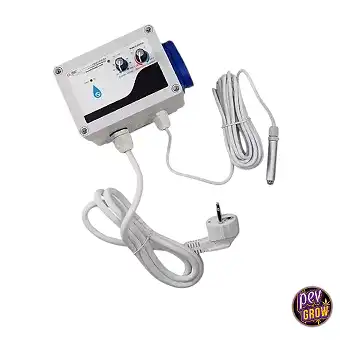
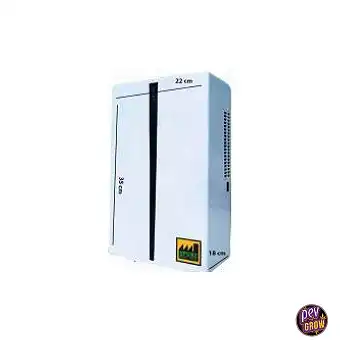
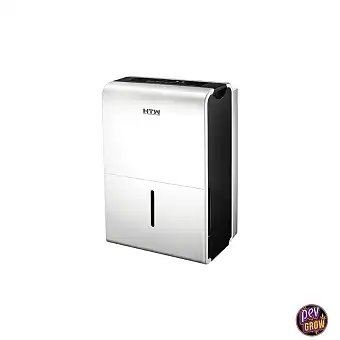
When flowering hits, humidity spikes can destroy months of hard work in days due to botrytis or powdery mildew. An Air dehumidifier is your insurance policy, keeping moisture levels low enough to protect those dense, sticky buds from rotting from the inside out.
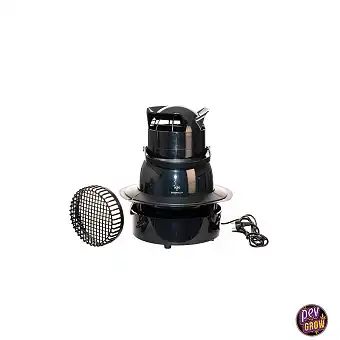
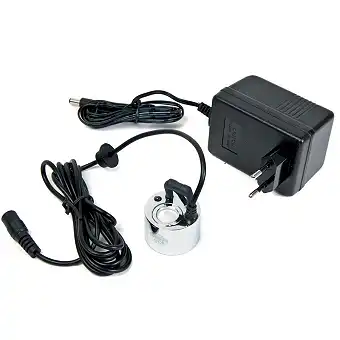
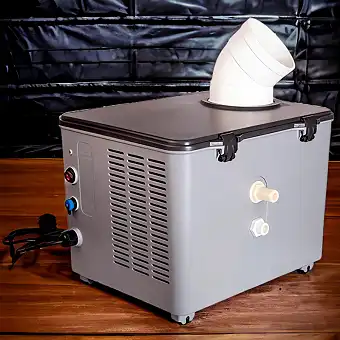
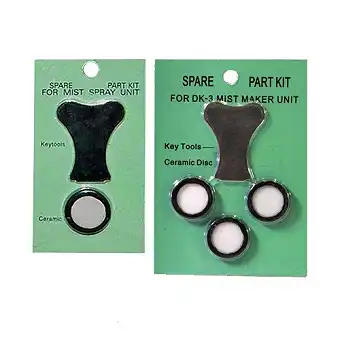
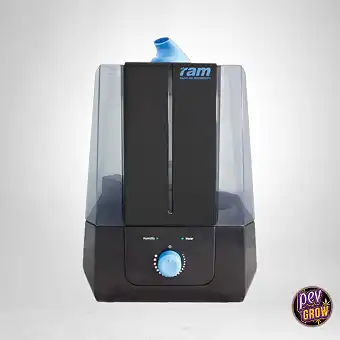
Grow Tent Humidifier
Conversely, seedlings and vegetative plants crave moisture. A Grow tent humidifier helps you hit that sweet spot (VPD) in the early stages, ensuring your young plants don’t dry out and can transpire efficiently for rapid growth.
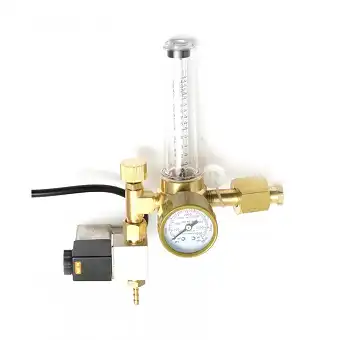
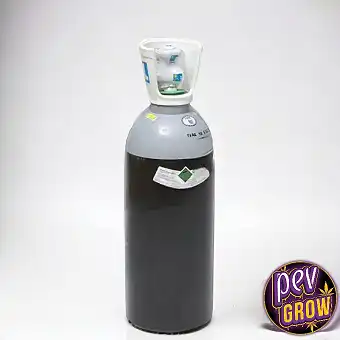
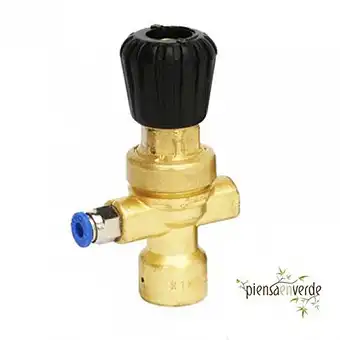
CO2 for Plants
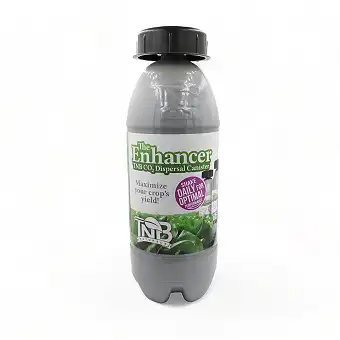
Want to push your yield beyond the genetic limit? CO2 for plants allows your crop to withstand higher temperatures and process light faster, resulting in significantly heavier and denser flowers. It’s the secret weapon of pro growers.
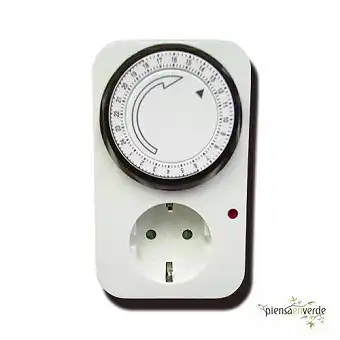
Indoor Light Timer - Electric Timers
Consistency is key. An Indoor light timer -electric timers automates your photoperiod, ensuring your plants get exactly the 18/6 or 12/12 cycle they need without you having to flip a switch manually. It eliminates human error and light stress.
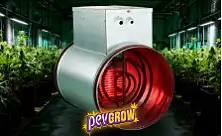
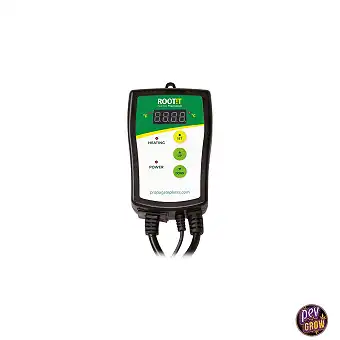
Ducted Heating
If you are pulling in air from a cold source, you can shock your root zone. Ducted Heating allows you to warm up the intake air before it hits your canopy, maintaining a stable environment even in the dead of winter.
Small Electric Heater
For smaller spaces or to keep night-time temperatures from plummeting when the lights go off, a Small Electric Heater is a lifesaver. Keeping the temp gap between day and night small prevents stretching and stress.
Investing Wisely in Climate Control Saves You Money (and Headaches)
It’s tempting to cut corners on the "boring" stuff like fans or controllers, but let’s look at the math. A single crop lost to mold because you didn’t have a dehumidifier costs way more than the device itself. Investing in reliable climate gear is actually an investment in yield security.
Stable environments mean fewer pests, less disease, and faster metabolic rates. You aren’t just buying a heater or a fan; you are buying the certainty that your electricity bill and nutrient costs will actually result in a harvest worth bragging about.
More Affordable Options: When They Make Sense
You don’t always need a fully automated, cloud-connected climate computer. If you are running a small closet grow, basic analog tools work wonders. A simple oscillating fan and a mechanical timer are often enough to get started. The key is to match the equipment to the size of your space. Don’t overcomplicate a 2x2 tent; just cover the basics of fresh air and light cycles, and you’re golden.
More Complete Options: When They’re Worth It
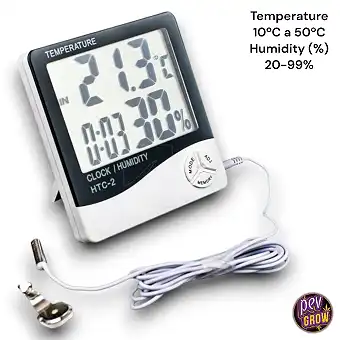
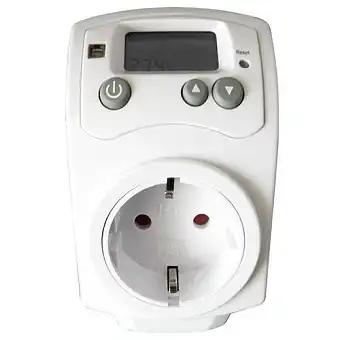
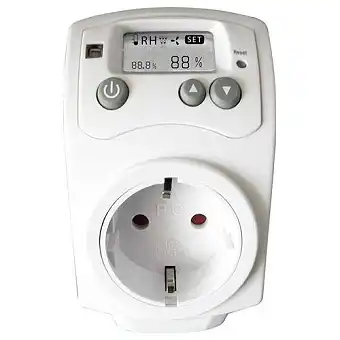
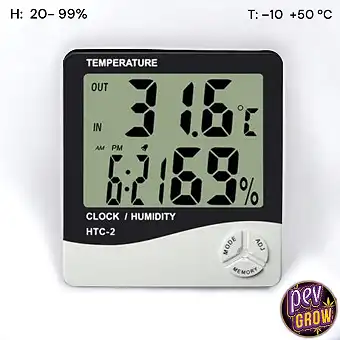
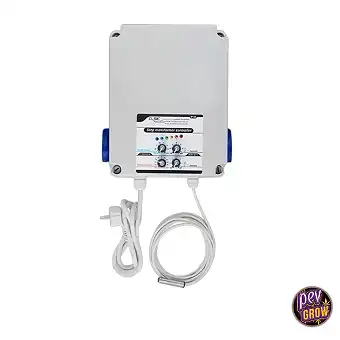
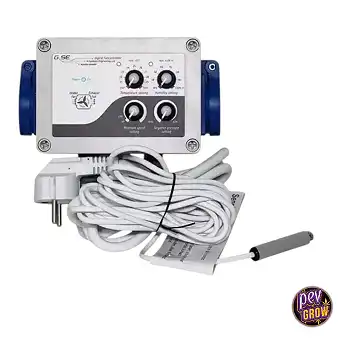
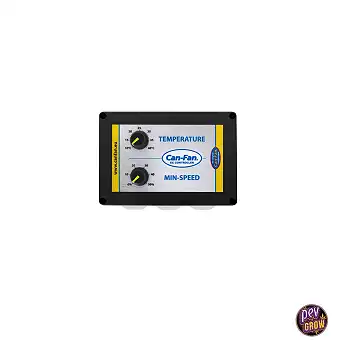
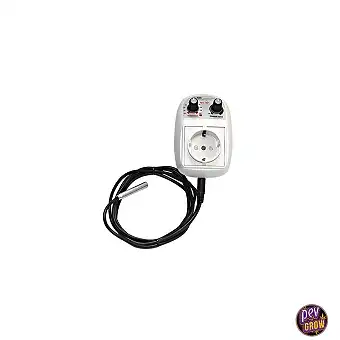
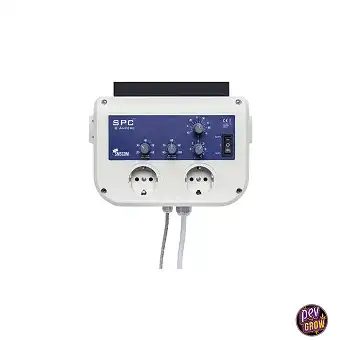
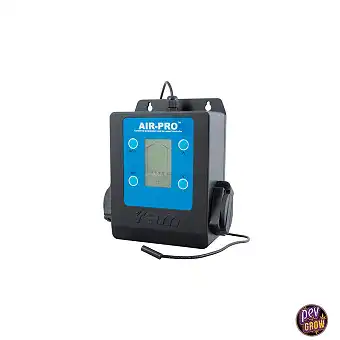
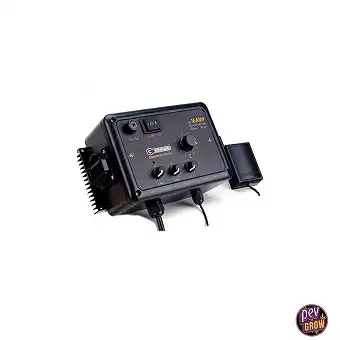
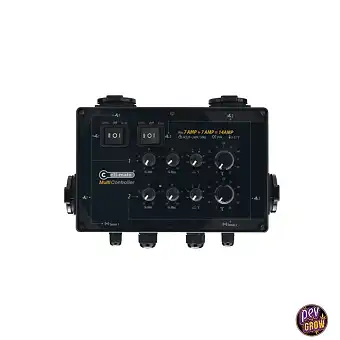
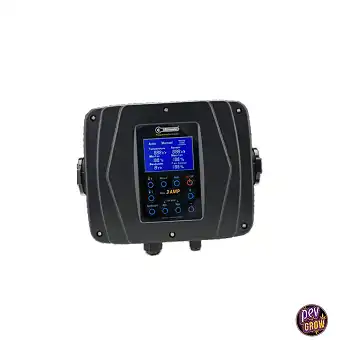
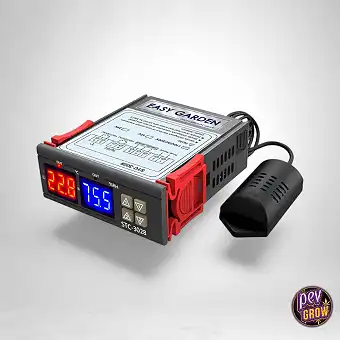
Once you scale up or start hunting for maximum grams per watt, upgrading becomes necessary. Digital controllers that manage humidity and temperature simultaneously, or CO2 tanks with solenoid valves, offer precision that manual adjustments just can’t match. If you are growing high-value genetics or running powerful LED/HPS lights that generate heat, high-performance extraction and automated climate management pay for themselves in the first harvest.
How to Get the Most Out of Your Products and Extend Their Lifespan
Climate gear works hard, 24/7. To keep it running, maintenance is non-negotiable. Clean your fan blades and intake filters regularly—dust buildup kills airflow and burns out motors. Empty your dehumidifier tank daily (or set up a drain hose) to avoid shut-offs. For CO2 sensors and pH probes, calibration is vital. Treat your equipment with respect, and it will keep your grow room in the perfect zone for years.
Frequently Asked Questions
What is the ideal temperature for indoor growing?
Generally, cannabis loves 24-28°C (75-82°F) when the lights are on. When lights are off, try not to let it drop more than 5-8 degrees. Too cold, and growth slows; too hot, and you lose terpenes.
Do I really need to add CO2?
It’s not mandatory for beginners, but for intermediate growers, it’s a game-changer. If you have powerful lights and your nutrients are dialed in, CO2 is the bottleneck that, when opened, allows for massive weight gains.
When should I use a humidifier vs. a dehumidifier?
Use a humidifier during the seedling and vegetative stage (aiming for 60-70% humidity). Switch to a dehumidifier during flowering to drop humidity to 40-50% and prevent bud rot.
Among all of you who comment or send us your questions there will be a bimonthly draw for a 50 euros voucher to buy in Pevgrow. What are you waiting for? Write now and participate!