Contact us
 +34 722 619 284


 Español
 Français
 Deutsch
 Italiano
 Português PT
 Română
 Polski
 Nynorsk
 Українська
 Nederlands
 Svenska
 Čeština
 български език
 ελληνικά
 Magyar
 Eesti keel
 Slovenščina
 Latviešu valoda
 Català
 Galego
 Euskera
 Русский
 Türkçe
Indoor Grow Lights
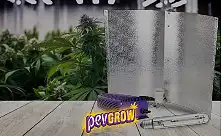
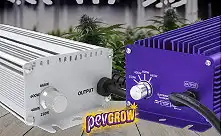
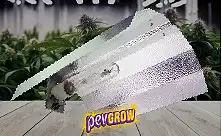
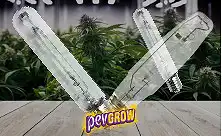
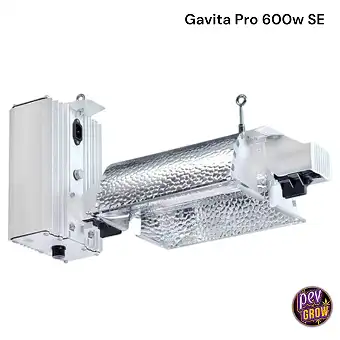
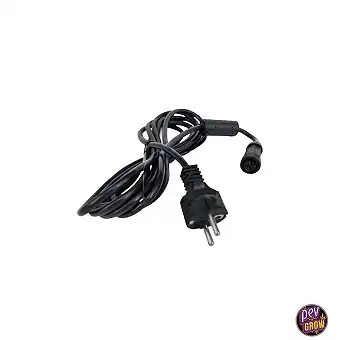
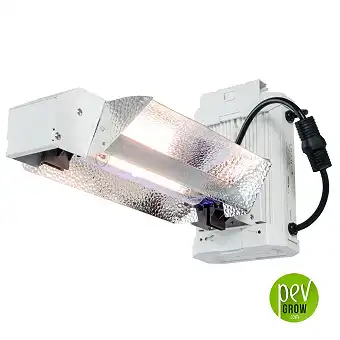
Ready to light up your grow room? Discover our top-tier selection of indoor grow lights. Whether you're looking for energy-efficient LEDs, powerful HPS bulbs, or complete lighting kits, we have everything you need to maximize your yields and keep your plants thriving from seed to harvest.
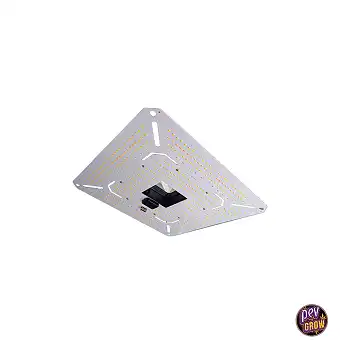

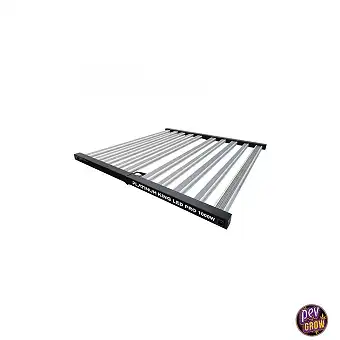





 Play Text to Audio

Why Upgrading Your Indoor Grow Lights is a Game-Changer
Are your harvests falling short of expectations? We've all been there. You put in the time, the nutes, and the love, but if your plants aren't getting the right spectrum and intensity, those buds will stay fluffy and sad. That’s the harsh reality of poor lighting. But don't trip, because upgrading your setup is the ultimate solution. With our premium indoor grow lights, you'll give your girls exactly what they crave to produce dense, resin-packed colas. Because better light means better yields, giving you the ultimate stash to roll up and chill.
Build Your Perfect Setup: Types of Indoor Grow Lights & Gear
Let's break down the essential gear you need to build a killer canopy.
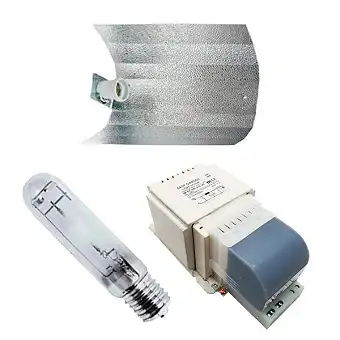
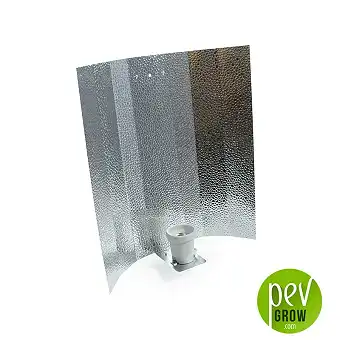
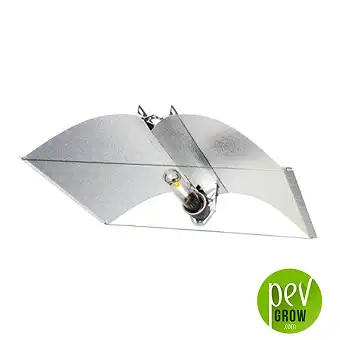
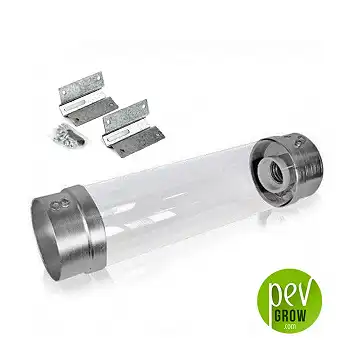
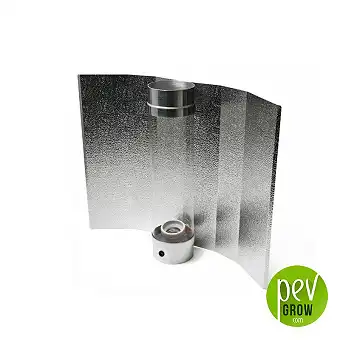
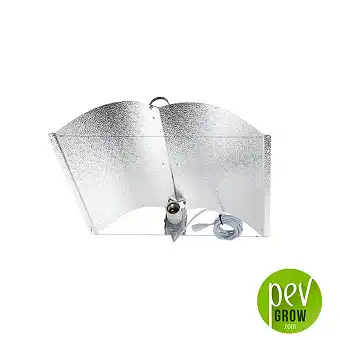
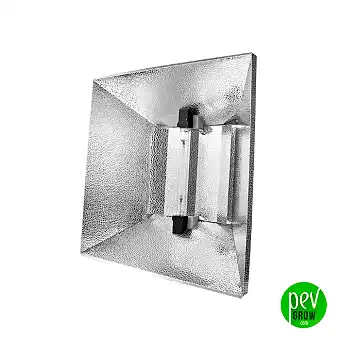
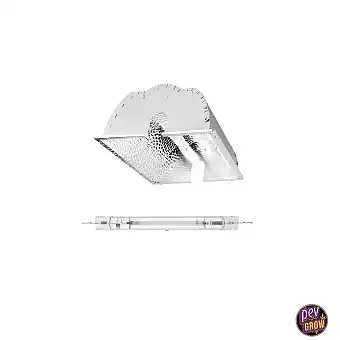
Grow Light Reflectors: Don't let good light go to waste. A solid Grow light reflector bounces every stray photon back onto your canopy. This means deeper light penetration and fatter lower buds without spending an extra dime on electricity.
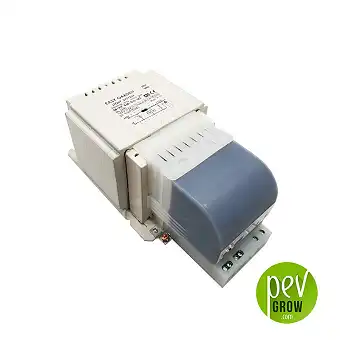
Grow Light Ballasts: If you're running HID setups, you need a reliable engine. Our Marijuana ballasts regulate the current to your bulbs, preventing flickering and extending their lifespan. Go digital for dimmable control and maximum efficiency.
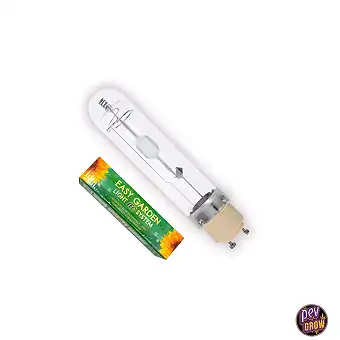
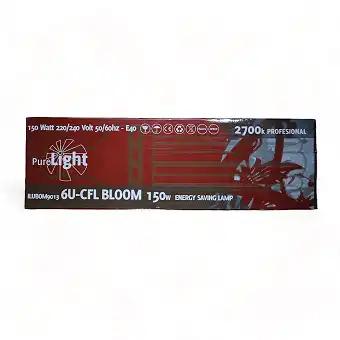
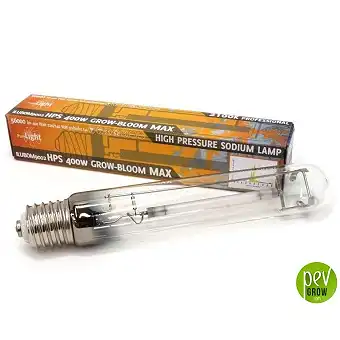
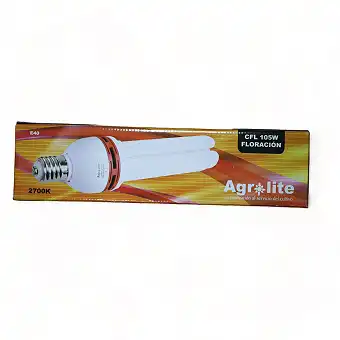
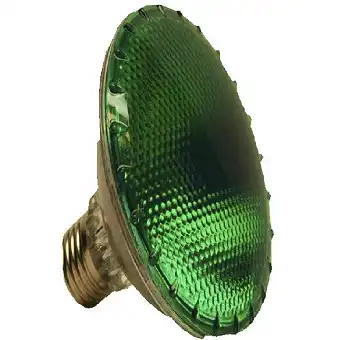
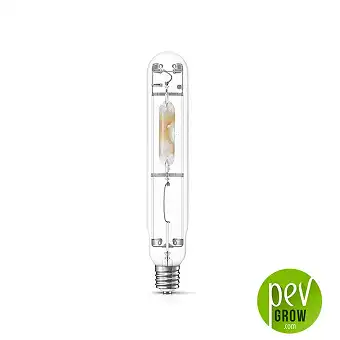
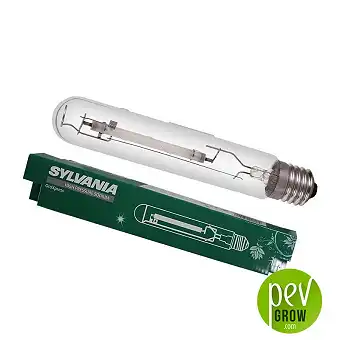
Indoor Grow Light Bulbs: The actual sun of your grow tent. From MH for explosive vegetative growth to HPS for massive flowering, our Grow Lamps deliver the exact spectrum your plants need at every stage.
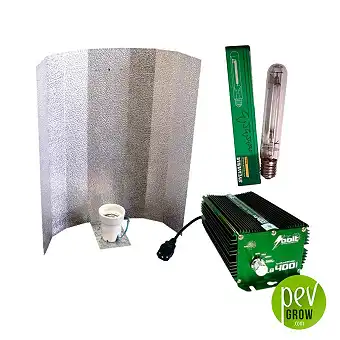
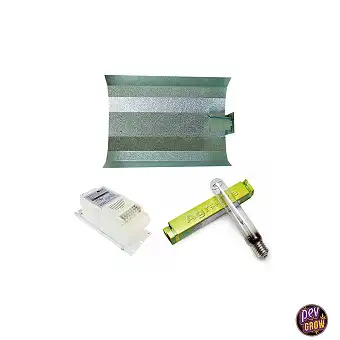
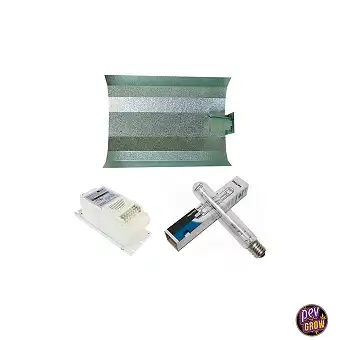
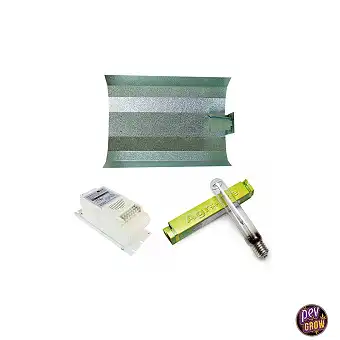
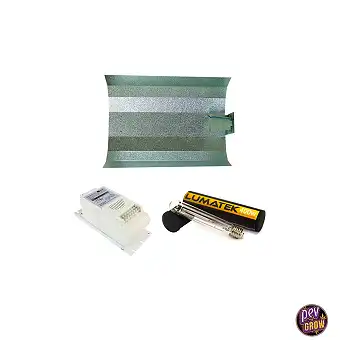
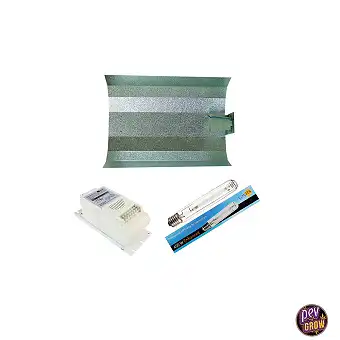
Indoor Grow Light Kits: Want to skip the guesswork? Grab one of our plug-and-play Grow light kits. They come perfectly matched with the right bulb, ballast, and reflector, saving you time and money so you can start growing right away.
What You Should Know Before Buying Your Grow Lights
Choosing the right setup depends on your space and goals. If you're rocking a small grow tent, LEDs or LECs are your best friends—they run cool, save on your power bill, and deliver a full spectrum that makes trichomes pop. Got a massive room? Traditional HPS setups still push insane weight. Remember, matching your wattage to your square footage is key. Too little light, and you get popcorn buds; too much heat without proper extraction, and you'll stress your plants. Now that you know the basics, explore our catalog and find the perfect match for your indoor jungle.
Frequently Asked Questions about Indoor Grow Lights
How many watts do I need for a 4x4 grow tent?
For a standard 4x4 (1.2x1.2m) tent, you'll want around 600W to 1000W of HPS light, or a high-efficiency 400W to 600W LED fixture. This ensures optimal coverage and deep canopy penetration for heavy yields.
Can I use the same light for veg and bloom?
Absolutely! Full-spectrum LEDs and LECs are perfect for the entire life cycle. If you're using traditional HID lighting, you can use a dual-spectrum HPS bulb, though swapping from Metal Halide (veg) to HPS (bloom) usually yields the best results.
How far should my lights be from the plants?
It depends on the technology. LEDs can usually sit 12 to 24 inches away, while hot HPS bulbs need to be kept 18 to 30 inches above the canopy to avoid light burn. Always do the "hand test"—if it's too hot for the back of your hand, it's too hot for your plants!
Among all of you who comment or send us your questions there will be a bimonthly draw for a 50 euros voucher to buy in Pevgrow. What are you waiting for? Write now and participate!